New Delhi : In a major public health initiative, India’s Union Health Ministry is preparing to introduce a voluntary, no-cost Human Papillomavirus (HPV) vaccination program aimed at 14-year-old girls, promoting equal access regardless of economic background.
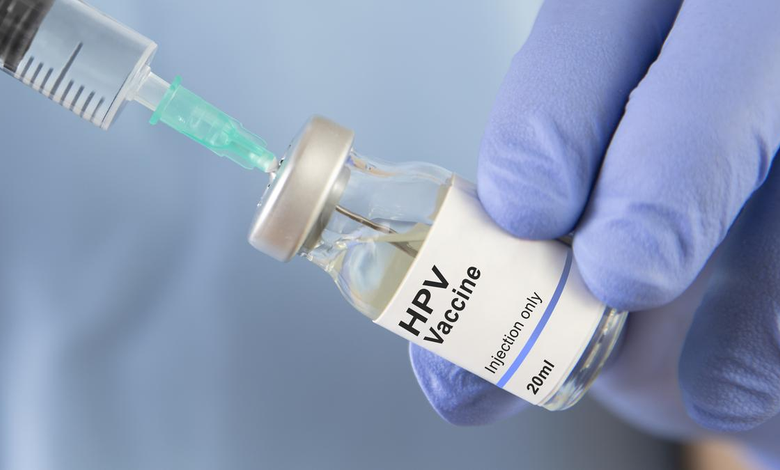
The program will utilize Gardasil, a quadrivalent vaccine that guards against HPV types 16 and 18 responsible for cervical cancer and types 6 and 11. A senior Health Ministry official noted that both global and domestic research supports the efficacy of a single dose in delivering long-lasting protection for girls in this age bracket.
The focus on 14-year-olds maximizes the vaccine’s preventive impact prior to possible virus exposure. Supplies have been obtained via a clear, internationally backed procurement process to guarantee consistent availability and quality.
Through collaboration with Gavi, the Vaccine Alliance, India has acquired Gardasil doses, which are approved by the national drug regulator and in use worldwide. Procurement adheres to rigorous quality and cold chain protocols, allowing the government to offer the vaccine free across all states and union territories.
Vaccinations will occur solely at government facilities, such as Ayushman Arogya Mandirs, Community Health Centres, Sub-District and District Hospitals, and Government Medical Colleges. Sessions will involve trained medical officers, healthcare teams, post-vaccination monitoring, and links to round-the-clock health services for handling any uncommon side effects, bolstering safety and trust among parents.
Cervical cancer ranks as the second-leading cancer in Indian women, with about 80,000 new diagnoses and over 42,000 fatalities each year. Nearly all cases stem from ongoing infections with high-risk HPV strains, especially types 16 and 18, which cause more than 80% of instances in India.
Though preventable via vaccination and screening, the disease burdens families heavily. The Health Ministry stated that this program tackles the issue by averting HPV infections before they advance to cancer.
HPV vaccines have undergone extensive global scrutiny, showing 93–100% effectiveness against cervical cancer from targeted strains. As a non-live vaccine, it doesn’t cause infection and boasts a strong safety profile, with over 500 million doses given since 2006.
More than 90 countries employ single-dose regimens for better coverage and cost-efficiency, yielding notable drops in HPV infections, precancerous conditions, and cancer rates.
India’s strategy draws from international standards, local data on disease prevalence, and guidance from the National Technical Advisory Group on Immunisation, according to a Health Ministry official.
Also Read : India, Israel Poised for Landmark MoU On Tech Transfer For Iron Dome , Beam And Missiles
-
-

-

-