
Maratha Reservation: State Cites Gaikwad, Shukre Commission Reports To Defend 10% Quota Before Bombay HC
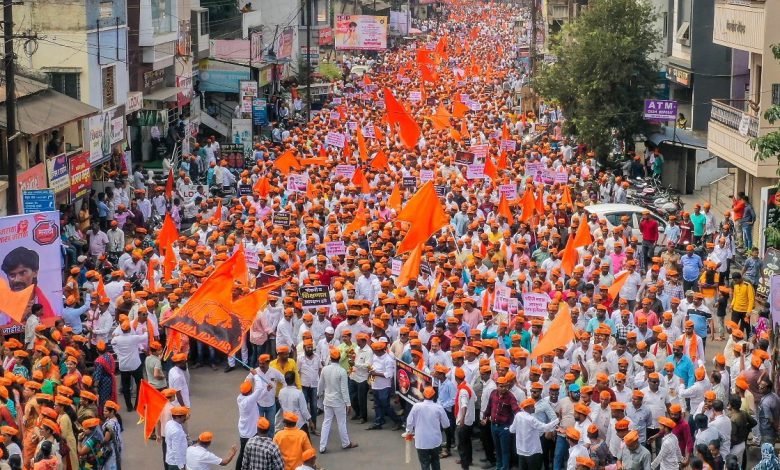
The Maharashtra government leaned hard on a recent Supreme Court precedent in the Bombay High Court on Friday, arguing that if sub-classification within SC, ST, and OBC categories has already been upheld, the same logic should extend to a separate reservation for the Maratha community.
The case is being heard by a bench of Acting Chief Justice Ravindra Ghuge, Justice Nizamuddin Jamadar, and Justice Sandeep Marne, currently working through a batch of petitions some for, some against challenging the state’s 10% Maratha reservation in education and government jobs.
One of the state’s key points: nobody actually studied whether Marathas were backward for over six decades. From 1956 to 2018, not a single Backward Class Commission looked into the question. That changed only with the Gaikwad Commission, led by retired Justice M.G. Gaikwad, which ran the first real survey built on two key parameters and concluded the community qualified as backward.
Also Read:Mumbai Court Denies Bail To 2 TISS Students Over Pro-Umar Khalid, Sharjeel Imam Slogans



That report didn’t hold up under Supreme Court scrutiny. Methodological flaws led the apex court to strike the reservation down. The state says its replacement, the Shukre Commission under retired Justice Sunil Shukre, fixed what went wrong giving real weight, this time, to historical records showing Marathas were classified as backward even before 1956. A more thorough, comparative survey, the government argues, established the community’s social and educational backwardness on firmer footing.
Then there’s the 50% cap. The state’s position: the ceiling isn’t absolute, and the Supreme Court has already allowed exceptions in “exceptional circumstances.” As proof, the government pointed to its own precedent — the 10% EWS reservation, upheld by the Supreme Court despite pushing total reservation past 50%. If EWS cleared that bar, the state argued, so can the Maratha quota.