
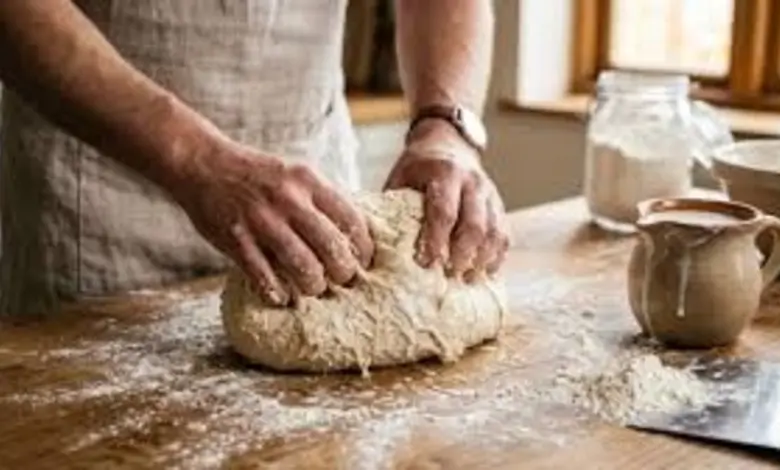
Most Indian kitchens have followed the same routine for generations mix wheat flour with water, knead the dough and roll out fresh rotis. But there’s one small change that many home cooks swear by, and it ould completely transform te way your rotis and parathas turn out.
Instead of water, try kneading the dough with milk.
It may sound like a restaurant trick, but its actually a simple kitchen hack that’s been used in many households for years. The difference is noticeable from the very first bite. Rotis become softer, parathas get a richer texture, and the dough stays moist for longer.
The reason lies in what’s naturally present in milk contains proteins, fats and natural sugars. As the dough comes together, these ingredients makes it more elastic and help lock in moisture. The result is bread that’s softer, less chewy and slower to dry out, even after several hours.




There’s another bonus that many people don’t expect better flavour. Milk adds a subtle richness that makes rotis taste more satisfying without changing their familiar taste. When cooked on a hot tawa, the natural sugars in milk lightly brown, giving the bread a beautiful golden finish and a pleasant aroma. It’s one of the reasons milk based dough is often preferred for stuffed parathas, kulchas and festive flatbreads.
Nutritionally, milk also gives the dough a slight edge. It contributes extra protein, calcium and a few essential vitamins, making every meal a little more nourishing. While it won’t dramatically change the nutritional profile, it’s an easy way to add more goodness without changing your recipe.
That said, milk isn’t the right choice in every situation. Dough prepared with milk spoils much faster than dough kneaded with water, especially during the summer months. If you’re making it ahead of time, refrigerate it immediately and use it within 24 hours.
Many experienced home cooks recommend the best of both worlds using half milk and half water. This keeps the dough soft and easy to handle while avoiding excessive richness or stickiness.
Sometimes, the biggest difference in the kitchen doesn’t come from expensive ingredients or complicated recipes. It comes from a small change in a daily habit. Swapping water for milk while kneading dough is one of those little tricks that can make homemade rotis feel softer, fresher and just a bit more special.
ALSO READ: Slow And Steady Wins More Than The Race: Psychology Reveals 6 Suprising Benefits Of Eating Slowly