Washington: The United States has initiated a wide-ranging investigation into alleged forced labour practices involving about 60 countries, including India, Pakistan and Russia. The probe, launched under Section 301 of the Trade Act, will examine whether governments have taken sufficient action to prevent goods produced with forced labour from entering global supply chains.
According to a report by Reuters, the inquiry was announced by the office of the US Trade Representative. The investigation seeks to determine whether foreign governments have implemented adequate measures to restrict imports or exports tied to forced labour and whether such practices disadvantage American businesses and workers.
US Trade Representative Jamieson Greer said the review would evaluate the extent to which trading partners enforce policies against forced labour. He noted that the United States aims to ensure that global trade practices align with labour standards similar to those enforced under US law.
Also read: Michael Kugelman Cautions Delhi Over Its Iran War Balancing Act
The countries under scrutiny include several major US trading partners and allies, among them India, Australia, Canada, the European Union, Britain, Israel, Qatar and Saudi Arabia. Strategic rivals such as China and Russia are also part of the investigation.
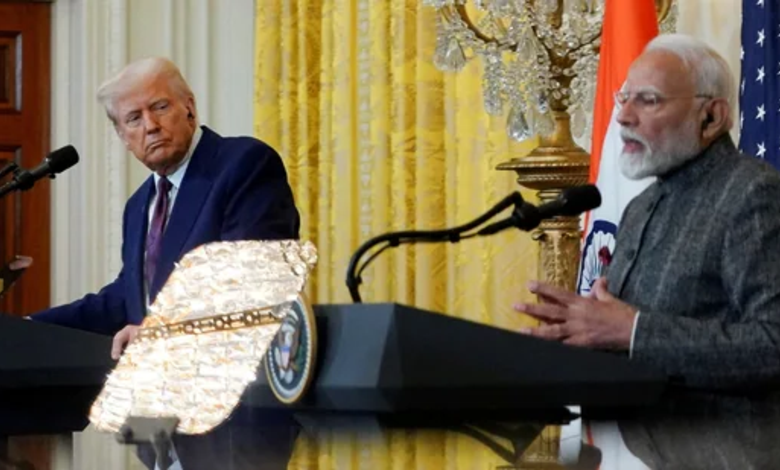
The move comes amid renewed efforts by the administration of US President Donald Trump to apply trade pressure globally. Earlier, the US government imposed a temporary 10% tariff under Section 122 of the Trade Act of 1974 after the US Supreme Court struck down a previous set of global tariffs introduced by the administration.
Washington has already taken measures targeting imports linked to forced labour, particularly through legislation aimed at preventing products associated with forced labour in China’s Xinjiang region from entering the US market.
Officials indicated that the new investigation could lead to further trade measures depending on its findings. Greer said the administration hopes to complete the review and propose possible remedies before the temporary tariffs currently in place expire in July.