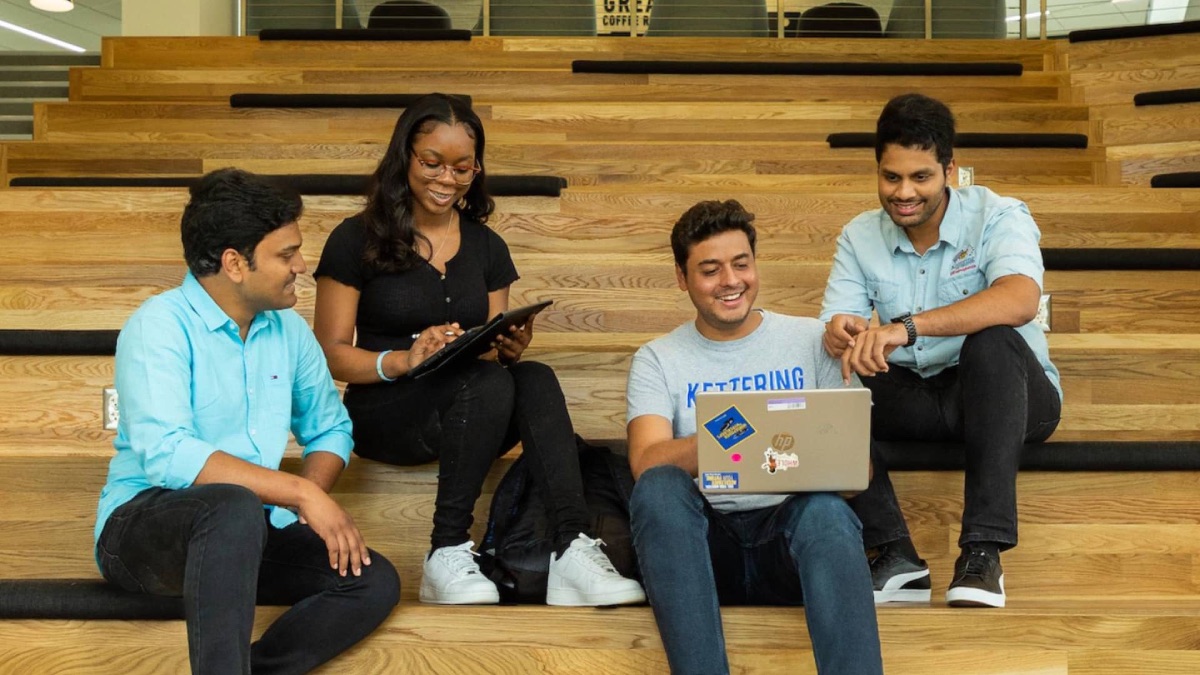
International students in the United States, including more than 3.3 lakh Indians, may soon be facing a major change in how long they’re allowed to stay. The Department of Homeland Security (DHS) has finalised a regulation that would replace the long-standing “duration of status” system with a fixed period of stay, according to Bloomberg.
Under the rule, released on Thursday, F-1 visa holders will generally be allowed to remain in the US for up to four years. Students who need more time to finish their studies will have to apply to DHS for an extension before their authorised stay runs out.
The rule also sets fixed periods for J-1 exchange visitors and I visas issued to foreign media representatives. It still needs to clear congressional review before taking effect.
The Trump administration says the changes will tighten oversight of the visa system and address national security concerns. Universities and education groups disagree they’ve warned the rule could leave thousands of students in limbo if their academic programmes run past four years.
The End of “Duration of Status”
F-1 visa holders have been admitted to the US for decades under what’s called “duration of status.” There was no fixed expiry date. Students could stay as long as they remained enrolled full-time and followed the terms of their visa.
That changes under the new DHS rule.
Once a student’s four-year admission period is up, they can’t simply carry on studying. They’ll need to apply to DHS for an extension if their degree or research isn’t finished yet.
The same rule covers J-1 exchange visitors foreign researchers and scholars at American universities among them — and journalists on I visas.
DHS says the goal is better oversight of temporary visa holders and stronger national security safeguards.
One Piece of a Larger Immigration Push
This is far from the only student-visa move DHS has made under the Trump administration. Over the past year, the agency has ended the legal status of thousands of students through its “Student Criminal Alien Initiative” and cracked down harder on alleged F-1 visa fraud.
It has also reworked the H-1B lottery system, cutting the odds of selection for many early-career professionals hoping to work in the US after graduation.
Roughly 1.2 million international students are currently enrolled in the US. For a lot of them, this rule is one more thing to worry about.
The Impact on Indian Students
Indian students are now the largest international student group in the US which puts them squarely in the path of this rule.
The Open Doors 2024 report put the number at more than 331,000 Indian students enrolled at US colleges and universities in 2023-24. That’s close to 30 per cent of all international students in the country.
Also Read:5.9-Magnitude Quake Hits Near Te Anau, NZ; Tsunami Warning Downgraded to Advisory
Many of them are in programmes that run longer than four years PhDs, research-based master’s degrees, medical training, engineering research, other specialised courses. Under the new rule, they’d need DHS approval for an extension before their authorised stay ends if they want to keep studying legally.
What Happens If a Student’s Stay Runs Out
The biggest concern here is what happens if a student can’t get an extension approved in time.
Under the current system, that’s rarely an issue. Under the new one, a student whose stay expires could start accumulating unlawful presence in the US almost right away.
Even a routine delay a backlog at DHS, a paperwork error, an extension that’s still pending — could leave a student out of status through no real fault of their own.
DHS has finalised the rule, but it isn’t in effect yet. Congressional review comes first. Until that happens, students remain under the existing “duration of status” system.