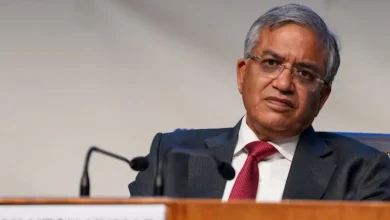
New Delhi : India faces a difficult diplomatic balancing act amid escalating Middle East tensions involving Iran, Israel and the US, geopolitical expert and author Michael Kugelman told media. Kugelman argued that India is in a tough spot because it maintains close ties with several actors, some of them rivals, directly affected by the conflict.
Balancing would, of course, reflect India’s foreign policy when it comes to strategic autonomy,” Kugelman said, noting that maintaining such balance will be difficult in the current climate. India’s in a tough spot because we see how important India’s relationship with Israel has become over the last years. The situation was further complicated by US sanctions on the Chabahar Port, a key project India is developing as a strategic trade gateway.
Over the past decade, India’s relationship with Israel has deepened considerably, particularly in defence cooperation. The partnership has become increasingly important as New Delhi looks to strengthen its military capabilities, including acquiring advanced air defence systems from Israel.
Kugelman further pointed out that Prime Minister Narendra Modi visited Israel shortly before the US and Israel launched strikes on Iran, underlining the growing closeness between the two countries.
Israel is only one part of India’s complex strategic calculus. Kugelman noted that India also maintains strong ties with Gulf countries within the Gulf Cooperation Council, including Saudi Arabia and the United Arab Emirates. These relationships are critical for energy supplies and for the welfare of millions of Indian nationals living and working across the region. While India’s ties with Iran have cooled in recent years—especially after New Delhi sharply reduced imports of Iranian crude oil—Kugelman said Tehran remains an important partner in India’s broader regional engagement.
Reports claim that the country is grappling with a severe commercial liquefied petroleum gas crisis, prompting the government to invoke the Essential Commodities Act to prioritise domestic supply and increase production. Although about 70 per cent of India’s fuel imports now bypass the Strait of Hormuz, roughly 90 per cent of LPG shipments still pass through the strategic waterway, leaving the country exposed to disruptions.
Read Also : Indian Oil To Get Safe Passage Through Strait of Hormuz, Jaishankar’s Call With Iran’s Araghchi