Washington and Tehran continued trading strong rhetoric on Thursday amid the ongoing US-Israel conflict with Iran, as President Donald Trump portrayed the Islamic Republic as desperate for a ceasefire while Iranian officials firmly defended their authority over the strategically vital Strait of Hormuz.
Tehran delivered its formal reply to a US 15-point proposal aimed at ending nearly a month of hostilities, emphasising its “natural and legal right” over the narrow waterway that carries about one-fifth of the world’s oil supplies. The response, conveyed through the Islamic Revolutionary Guard Corps-linked Tasnim news agency, cited an informed source and appeared to harden Iran’s stance rather than signal concessions.
According to Tasnim, Iran demanded an immediate halt to what it described as “aggressive acts of assassination” that have targeted senior leaders, including the late Supreme Leader Ali Khamenei and security chief Ali Larijani. The reply also called for compensation and war reparations, guarantees that the conflict would not be repeated, and a cessation of hostilities by all regional resistance groups involved in the fighting. State broadcaster Press TV quoted an unnamed official outlining a similar five-point set of conditions.
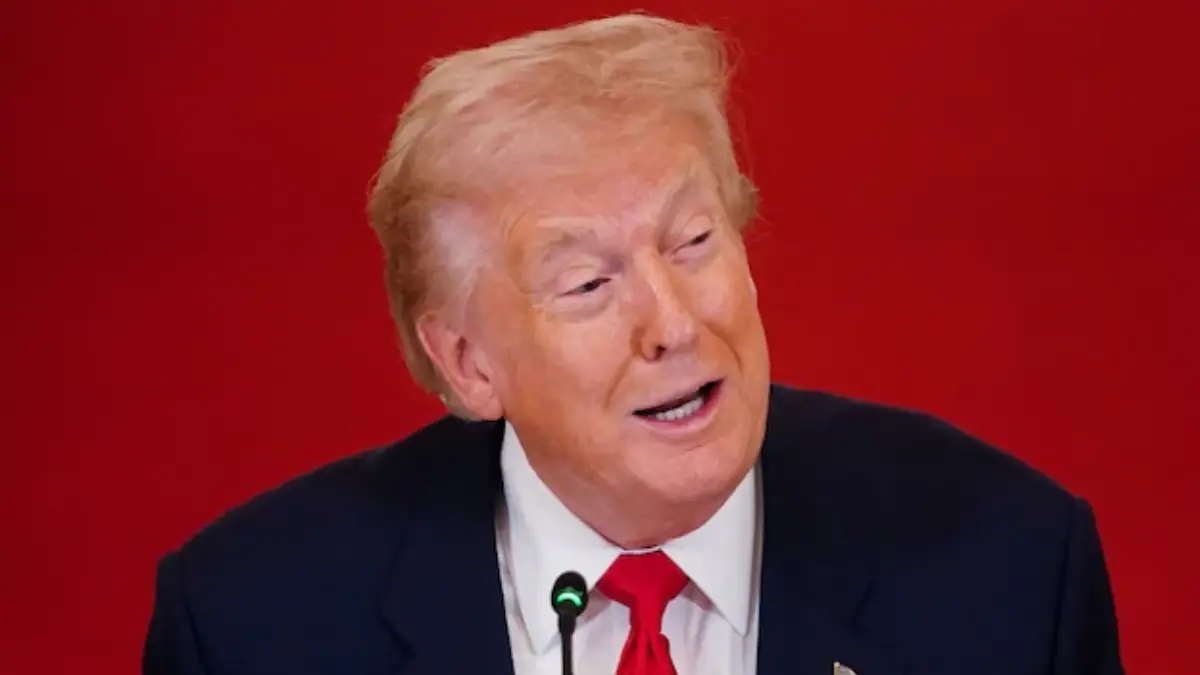
The Iranian position contrasted sharply with statements from the US side. Trump, posting on Truth Social, announced a 10-day pause in strikes on Iran’s energy infrastructure until April 6, saying Tehran had requested the delay as indirect talks progressed “very well.” He asserted that US and Israeli forces had “completely” destroyed Iran’s navy and air force, describing Iranians as “lousy fighters, but great negotiators” who were “begging to make a deal.”
Trump further claimed the US was “way ahead of schedule” in the campaign and suggested Iran had offered a goodwill gesture by allowing 10 oil tankers to pass through the Strait of Hormuz. On the same day, however, Iranian media reported that lawmakers were preparing legislation to impose tolls on vessels transiting the strait.
US Special Envoy Steve Witkoff told reporters during a White House cabinet meeting that there were “signs” Iran was looking for an “off-ramp,” with Pakistan serving as a mediator. He noted multiple regional actors had offered to help end the conflict peacefully, while accusing Tehran of stalling. Vice President JD Vance reinforced the administration’s narrative, stating that Iran’s conventional military capabilities, including its navy, had been “effectively destroyed.”
The Tasnim source rejected the US proposal as an attempt to present a peaceful image while preparing further action, pointing to continued bombings during talks as evidence of bad faith. The economic impact of the standoff has grown severe, with Iran’s effective blockade of the Strait of Hormuz triggering global fuel shortages and rising costs.
ALSO READ : Iran Opens Strait of Hormuz to Select Friendly Nations, Easing Passage for Indian Vessels
Al Jazeera’s Alan Fisher, reporting from Washington, noted that Trump faces mounting domestic pressures, including higher fuel prices and airport disruptions, and appears eager to conclude the conflict within his stated four-to-six-week timeline.
Reuters reported, citing a Pakistani source, that Israel had removed Iranian Foreign Minister Abbas Araghchi and Parliament Speaker Mohammad Baqer Qalibaf from its targeting list following urging from Islamabad to preserve potential negotiating channels.
As indirect diplomacy continues through back channels, both sides show little sign of immediate compromise, with the future of the critical Hormuz passageway remaining a central point of contention.