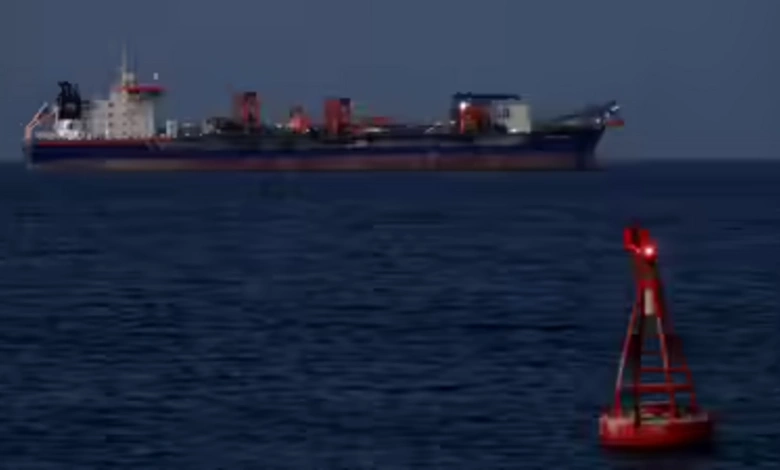
In a significant development amid regional tensions, Iran has granted transit rights through the strategically vital Strait of Hormuz to a group of countries it regards as friendly, including India, China, Russia, Iraq, and Pakistan. Ships associated with Iran’s adversaries, however, remain barred from the waterway, which Tehran has described as a war zone.
Iranian Foreign Minister Seyed Abbas Araghchi announced the decision, stating, “We have permitted certain countries that we consider friendly to pass through (Strait of Hormuz). We allowed China, Russia, India, Iraq and Pakistan to transit,” according to Iranian State TV. He added that there was “no reason to allow the ships of our enemies to pass through” in the current conflict environment.
The move provides immediate relief for around 20 Indian-flagged cargo vessels currently positioned to the west of the strait. Among them, a dozen are India-bound, including five carrying approximately 2.3 lakh tonnes of LPG. Additionally, 18 empty LPG tankers are now expected to enter the 52-km conflict-affected passage to load cooking gas from Gulf suppliers.
Officials familiar with the situation indicated that the unhindered movement of these Indian-flagged ships would enhance the availability of LPG, LNG, and crude oil in India. A few of the 20 vessels in the area are destined for ports other than India, but once they discharge their cargo at Indian destinations, they can be redeployed for fresh consignments.
This development marks a notable outcome of New Delhi’s diplomatic outreach. Prime Minister Narendra Modi held two rounds of discussions with Iranian President Masoud Pezeshkian, during which he conveyed that any blockade of the strait was unacceptable. External Affairs Minister S Jaishankar also engaged directly with his Iranian counterpart, Araghchi, on the matter.
India’s inclusion among the permitted nations came as something of a surprise, given that Russia and China are viewed by Tehran as key partners opposing the US and Israel, while Pakistan has been positioning itself as an intermediary between the Trump administration and Iranian leadership.
Under normal circumstances, India imports about 60% of its cooking gas requirements, with 85-90% of these supplies originating from Gulf countries such as Saudi Arabia and the UAE. This translates to roughly 27-30 LPG tankers arriving each month. To address any gaps, the government has turned to alternative sources including the US, Argentina, Norway, Canada, and Russia, with some shipments already reaching Indian ports via alternative routes.
Recent arrivals include the LPG vessels Shivalik and Nanda Devi, which docked last week, while Pine Gas and Jag Vasant are anticipated this week.
Data from shipping analytics firm Kpler highlights the severity of the disruption: only 138 vessels transited the Strait of Hormuz between March 1 and 23, including 87 oil and gas tankers — averaging just 5-6 ships daily. This represents a 95% decline since the onset of the conflict, with more than 1,900 vessels reported as unable to move in the vicinity.
The selective opening of the strait is expected to alleviate pressure on energy supplies for the listed friendly nations while underscoring the critical role of diplomacy in navigating the ongoing regional challenges.
-
-

-

-