International rights organization Oxfam has highlighted India’s quota system in politics as a significant example of empowering marginalized communities, even as it raised alarms about billionaires dominating the global political landscape.
The observation came in Oxfam’s annual inequality report released Monday at the World Economic Forum Annual Meeting in Davos. The report, titled ‘Resisting the Rule of the Rich: Protecting Freedom from Billionaire Power’, noted that billionaires worldwide are 4,000 times more likely to hold political office compared to ordinary citizens.
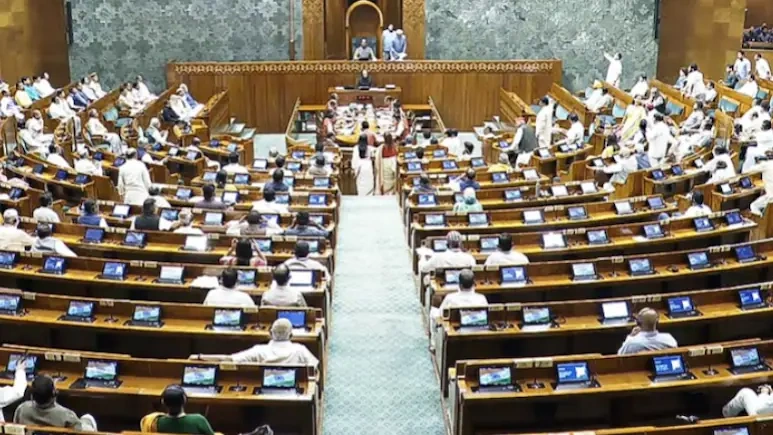
Against this backdrop, Oxfam pointed to India’s reservation framework as a “compelling” case study in redistributing political power. The organization said political quotas for Scheduled Castes, Scheduled Tribes, and other marginalized groups enable economically disadvantaged and socially excluded communities to secure legislative representation and advocate for redistributive policies.
India currently reserves seats in legislatures for SCs and STs proportionate to their population. The country has also recently introduced 33 percent reservation for women in legislative bodies. Beyond political representation, India extends quotas to other backward and marginalized sections in education and government employment.
Also Read: Delhi-NCR Engulfed In Toxic Smog And Dense Fog As Air Quality Plunges To ‘Severe’ Levels
Oxfam’s report argued that ordinary citizens gain political influence when institutional inclusiveness, responsive political incentives, collective organization, effective governance, and ideological commitments converge to counter structural inequality.
The rights group emphasized that non-state actors including civil society organizations, grassroots movements, and trade unions serve as natural partners to governments in broadening political engagement from underrepresented communities and ensuring meaningful participation in policymaking.
Brazil’s Participatory Budgeting initiative from the 1990s was also cited as another model. Oxfam specifically referenced Porto Alegre, which became an international benchmark in participatory democracy by enabling citizens to directly decide portions of municipal public budgets during the 2000s.
The report called on governments to guarantee an enabling civic space aligned with international legal frameworks and standards. Oxfam urged public commitment to protecting freedom of expression, assembly, and association—both online and offline—for citizens, movements, journalists, and organizations to organize, speak freely, and protest.
It further advocated for transparency and accountability in upholding these standards through regular reporting and scrutiny by state and non-state actors, while ensuring access to resources and information for individuals and organizations.
The recommendations come as world leaders and business elites gather in Davos for discussions on global economic and political challenges.
-

-

-

-