
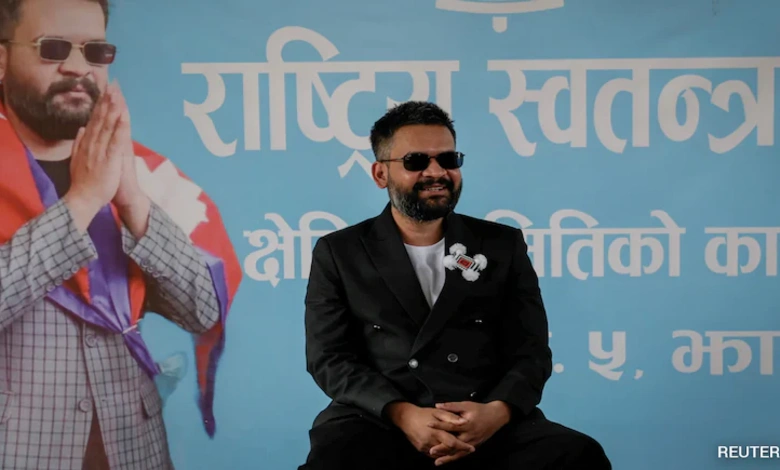
Nepal began tallying ballots on Friday following its first general election to the House of Representatives since widespread youth-led protests forced the resignation of Prime Minister KP Sharma Oli last year. The polls, held on Thursday, reflected a voter turnout of approximately 60 percent among the country’s 19 million eligible voters, with over 3,400 candidates from 65 parties competing for seats.
Early trends indicate a strong performance by the Rastriya Swatantra Party (RSP), the relatively new centrist formation led by former television host Rabi Lamichhane. The RSP has secured one seat and holds leads in more than 30 constituencies, according to preliminary figures from the Election Commission. In contrast, Oli’s Communist Party of Nepal (Unified Marxist-Leninist), or CPN-UML, is ahead in three seats, while the Nepali Congress also leads in three. Pushpa Kamal Dahal, leader of the Nepali Communist Party and a three-time former prime minister, maintains an advantage in his Rukum East constituency.
A focal point of attention remains the Jhapa constituency, Oli’s traditional stronghold, where the 74-year-old veteran faces a direct challenge from 35-year-old Balendra Shah. Known popularly as Balen, Shah—a former rapper and ex-mayor of Kathmandu—has emerged as a prominent figure among younger voters. He drew substantial crowds, predominantly from the Gen Z demographic, during campaign rallies. Shah, who played an influential though unofficial role in last September’s anti-corruption protests that toppled the Oli government, later joined the RSP in December. He also contributed to the establishment of an interim administration under former Chief Justice Sushila Karki to supervise the electoral process.
Shah’s appeal stems from his association with demands for cleaner governance, resonating amid frustration with established parties. In Jhapa, early indications suggest Shah is outperforming Oli on the veteran leader’s home ground.

ALSO READ : Nepal Elections 2026: Voting Underway To Elect 275-Member House Of Representatives
The election carries significance for regional dynamics, with India closely monitoring developments. Ministry of External Affairs spokesperson Randhir Jaiswal stated that New Delhi “consistently supported peace, progress and stability in Nepal” and looks forward to collaborating with the incoming government to strengthen bilateral ties. India also supplied logistical assistance for the polls.
Vote counting continues, with authorities aiming to finalize results swiftly, though coalition negotiations may follow given the fragmented landscape. The outcome could signal a generational shift in Nepali politics, pitting anti-establishment momentum against traditional forces.