
Nepal Election 2026: Rapper-Turned Politician Balen Shah Emerges Front-Runner For PM As Youth Surge Drives RSP Gains

Nepal held its national elections on March 5, 2026, and while the final results are still awaited, all signs point to a historic victory for Balendra ‘Balen’ Shah the rapper-turned politician who became the face of the country’s youth-driven political movement during last year’s protests.
Shah’s Rastriya Swatantra Party (RSP), founded in 2022, had won 29 seats and was leading in 88 constituencies as of Saturday, March 7. Strikingly, Shah himself is ahead of CPN-UML Chairman and former Prime Minister KP Sharma Oli in Oli’s own home constituency of Jhapa-5.
A Political Earthquake in the Making
Political analysts are describing the RSP’s surge as nothing short of a seismic shift in Nepal’s traditionally entrenched political landscape.
“This is heading to a landslide victory this reflects the frustration that has been building up,” political analyst Chandra Dev Bhatta told AFP. “It is actually the people’s revolt against the established political parties.”


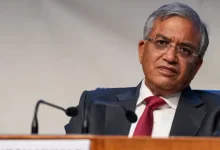

Also Read: Balendra ‘Balen’ Shah: Rapper, Mayor, Nepal’s Next Prime Minister?
Kunda Dixit, publisher of the Nepali Times, echoed that sentiment in his remarks to AFP: “This is even a bigger upset than we expected. It underscores the level of public disenchantment with the old parties for under-performance, as well as anger over the events of September.”
First Vote Since the Gen Z Uprising
The March 2026 election is the first national election since Nepal’s Gen Z protests of 2025, and the results appear to be fulfilling the movement’s promise of political disruption. Voters across the country have expressed a clear desire for new leadership and an end to decades of stagnation under the same political dynasties.
“This election will decide whether my 4-year-old son will live in Nepal or migrate to another country,” Biki Shrestha, a finance manager at an IT company, told The New York Times. “We need change.”
Sujan Sipai, a teacher from Bhaktapur, told the NYT: “For many years, we have seen the same political parties, and they have not changed anything in Nepal. That’s why this time the entire country has stood up against corruption and for Balen.”
A New Generation Steps Forward
The RSP has fielded nine Gen Z candidates in this election, many of whom previously worked as aides to Shah a sharp contrast to Nepal’s traditional parties, which have far fewer young candidates despite having deeper political infrastructure. Until recently, Nepal’s major parties were led by prime ministers in their seventies.
The generational tension was visible even within established parties. Earlier this year, the Nepali Congress narrowly avoided a split when 49-year-old Gagan Kumar Thapa challenged and ousted the party president, who was three decades his senior.
Voters Return Home in Hundreds of Thousands
The scale of civic participation ahead of the polls was remarkable. Approximately 800,000 people left the Kathmandu Valley to travel back to their hometowns to cast their votes, according to a BBC report. Under Nepal’s election law, citizens are required to vote in the constituencies where they are officially registered.
If the RSP’s commanding lead holds as counting continues, it would represent a watershed moment — not just for Balen Shah, but for Nepal’s long-frustrated youth, who finally appear to have made their voices heard at the ballot box.