
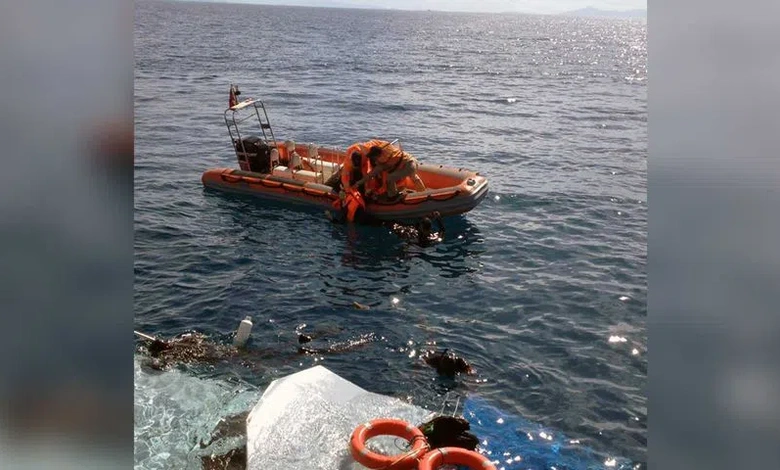
Dhaka: A overcrowded trawler carrying approximately 250 people, including Rohingya refugees and Bangladeshi nationals, has capsized in the Andaman Sea while heading toward Malaysia, leaving all passengers missing, according to the United Nations’ refugee and migration agencies.
The United Nations High Commissioner for Refugees (UNHCR) and the International Organisation for Migration (IOM) issued a joint statement on Tuesday confirming the incident. The vessel had departed from Teknaf in Bangladesh’s southern Cox’s Bazar district, a region that hosts sprawling refugee camps.
Authorities reported that the boat sank due to a combination of severe overcrowding, strong winds, and rough seas, which caused the trawler to lose control. As of Wednesday, the status of any ongoing search and rescue operations remained unclear.
In their statement, UNHCR and IOM highlighted that the tragedy underscores the prolonged displacement faced by the Rohingya community and the lack of lasting solutions to their plight. Persistent violence in Myanmar’s Rakhine state has rendered a safe return home highly uncertain for most Rohingya. Meanwhile, in the refugee camps in Bangladesh, limited access to education, employment, and adequate humanitarian support continues to drive many toward dangerous sea crossings.




ALSO READ : 4.7 Magnitude Earthquake Jolts Jammu and Kashmir’s Baramulla; Andaman Islands Hit By 4.6 Tremor
The agencies noted that migrants often embark on these perilous journeys based on misleading assurances of better wages and improved living conditions abroad.
UNHCR and IOM called on the global community to increase funding and demonstrate greater solidarity to provide life-saving assistance to the more than one million Rohingya refugees currently sheltered in Bangladesh.
This latest maritime disaster adds to a pattern of risky voyages in the Bay of Bengal and Andaman Sea region, where desperate individuals seek better prospects despite the well-documented hazards.