
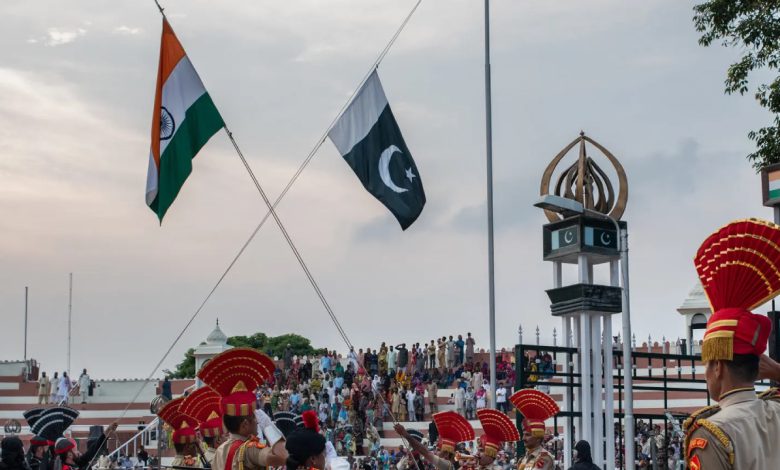

Indian and Pakistani delegates held a fresh round of Track Two diplomacy in Colombo and Bangkok this week, continuing an informal back-channel that has run in parallel to the near-total freeze in formal ties between the two countries.
The talks centred on strengthening mechanisms for dialogue during crises and on measures to prevent and manage potential escalations, according to the discussions. Both sides exchanged notes and held frank conversations on terrorism and water-sharing issues the two areas that have most consistently blocked formal engagement. Participants also explored ways to feed insights from the discussions into Track One channels, the term used for direct, official engagement between serving government representatives of the two countries.
Government-level talks remain on hold
Track Two diplomacy has continued even as structured, government-level talks between India and Pakistan stay frozen. Relations between the two nuclear-armed neighbours have remained deeply strained since the May 2025 conflict, which followed the Pahalgam terror attack in Jammu and Kashmir that killed 26 people, most of them tourists.


The attack triggered four days of cross-border fire between the two militaries, including drone operations, before a ceasefire took hold on May 10. Since then, both sides have avoided public escalation, but formal dialogue has remained off the table. In its place, retired military officers, diplomats, journalists and academics from both countries have met at Track Two level in neutral venues to manage tensions and keep informal channels open.
Several rounds of these talks have taken place since the conflict, offering a rare avenue for exchange amid otherwise jammed official relations. The meetings have been held in West Asian capitals and elsewhere one earlier round took place in Doha, bringing together prominent figures from both countries. News of the India-Pakistan Track Two talks first emerged in April 2026, according to a Media report.
India has maintained its post-2019 position that dialogue with Pakistan cannot resume while cross-border terrorism continues. Bilateral trade remains minimal, diplomatic missions on both sides operate at reduced strength, and people-to-people contact is limited. The continuation of quiet, informal engagement, even under these conditions, points to a degree of pragmatism on both sides. As has been the pattern with previous rounds, neither government has commented on the existence of the talks.