
India has decided to continue its ban on sugar exports until September 2026, a move aimed at ensuring enough supply in the domestic market and keeping prices under control. The goverment’s latest decision comes amid concerns over lower sugar production and rising demand within the country.
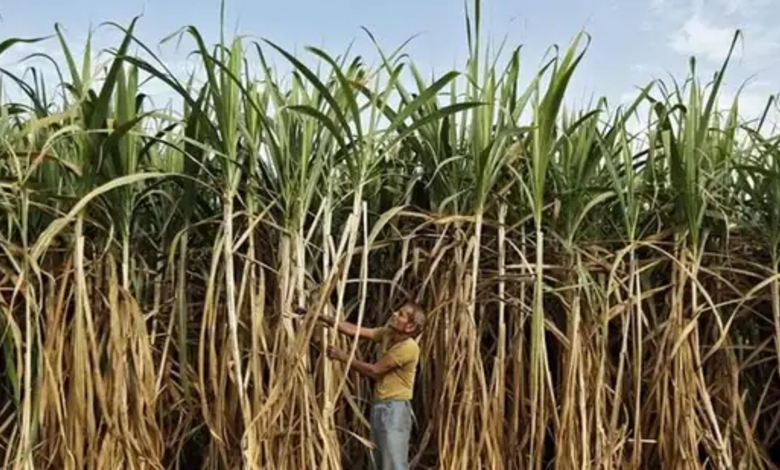
Over the pat two years, sugar output in India has been under pressure due to uneven rainfall and weaker sugarcane yields in major producing states like Maharashtra and Uttar Pradesh. At the same time, a significant portion of sugarcane is being diverted for ethanol production as part of India’s fuel blending programme. This has reduced the amount sugar available for export.
India is one of the world’s largest sugar producer and exporters, so the decision is expected to have a major impact on global sugar trade. Soon after the announcement, international sugar prices moved higher as buyers began looking toward countries like Brazil and Thailand for alternative supplies.
The goverment believes the restriction is necessary to maintain stable prices at home and avoid any shortage in the coming months. Domestic sugar consumption remains high, especially during festivals and the summer season, making supply managment a key priority.



While exports have been prohibited in general, certain quota based shipments to countries such as the United States and the European Union may still continue under existing agreements. Officials have also indicated that shipments already approved before the order could recieve limited relief.
The decision has created mixed reactions within the industry. Consumers are likely to benifit from stable prices, but sugar mills and exporters may face pressure as overseas sales opportunities remain limited for another year.
With global markets closely watching India’s sugar policies, the extension of the export ban is expected to influence international prices and trade patterns well into 2026.