
Spider-Man: Brand New Day Ending & Post-Credit Scene Explained: How the Film Sets Up X-Men’s Mutant Saga and Avengers: Doomsday
By [Devansh Desai]
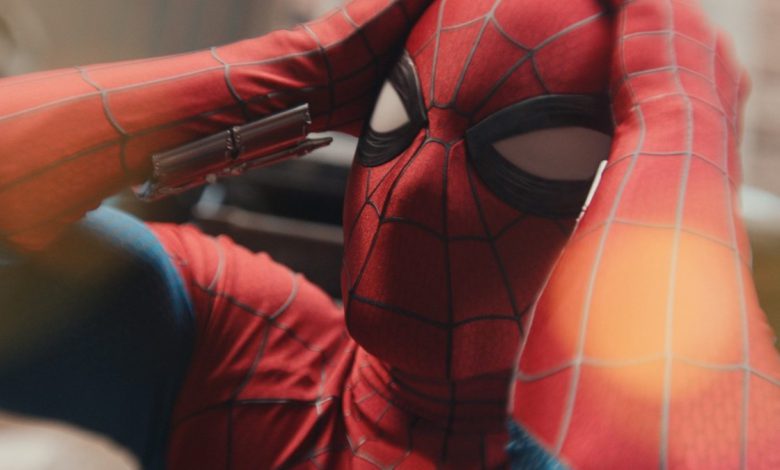
Spider-Man: Brand New Day doesn’t just close out its own story according to fan theories circulating after the film, it quietly sets up two major future films: the X-Men reboot (via the Mutant Saga) and Avengers: Doomsday/Secret Wars, through its post-credit scene.
A post-credit scene that underwhelms
Before diving into the setup theories, it’s worth noting the criticism first: the post-credit scene has been called a letdown by several fans and commentators. The film arrives before Doomsday, and rather than delivering a direct tease a Doctor Doom sequence, for instance it opts for an indirect, ambiguous setup. For a scene many waited through the entire runtime for, the reveal feels underwhelming, and some argue it dampens what is otherwise a strong overall movie experience.
How the ending sets up the Mutant Saga
The film’s core plot threads point toward X-Men’s upcoming Mutant Saga in multiple ways:
Punisher’s arc: Punisher appears to have an emotional turning point. When he nearly shoots Jean Grey’s character, Peter Parker intervenes to save her the first moment in his story where he grasps that his violence could hurt his own allies, not just enemies. The hospital sequence following this, reportedly lifted directly from a comic book panel, is flagged as a standout moment. This suggests Punisher’s arc may shift from anti-hero toward something closer to a hero going forward.



MJ and Ned’s arcs: Both characters now know Peter’s secret identity. MJ accidentally reads a letter meant for her and learns Peter is Spider-Man but crucially, since she has no memory of their past relationship, she doesn’t reciprocate his feelings, delivering him a rejection. This mirrors the Star-Lord/Gamora dynamic from Guardians of the Galaxy Vol. 2, where a version of Gamora with no memories of Peter Quill rejects him outright. This sets up a future arc where Peter must either win MJ back or move on.
Ned, meanwhile, gets a hopeful cliffhanger MJ tells him Spider-Man’s real name, and in the ending, Peter reveals himself directly to Ned. They share their signature handshake “from muscle memory,” hinting that Ned’s memories may be returning.
Acceptance as the film’s theme: The film’s central theme is self-acceptance embracing who you are rather than resenting your abilities. Both Peter (accepting his dual identity) and Sadie/Jean Grey’s character (accepting her mutant powers) go through this arc. A recurring visual flowers Peter initially brings to Aunt May’s grave, later given to MJ and then Ned is read as symbolism for Peter finally moving on from his aunt’s death.
Also Read:“Am I Worthy?” Ranbir Kapoor Breaks Silence on Ramayana Casting Backlash
Jean Grey’s setup: The mystery around Sadie’s character being revealed as Jean Grey is seen as a missed marketing opportunity some feel it would have generated more buzz to keep her identity hidden (like Hulk or Punisher’s appearances were) and let it surprise audiences organically. In the climax, Peter talks her down from revenge echoing Tobey Maguire’s Spider-Man sparing the Green Goblin after which she suppresses her powers and leaves on a bus, likely headed to Westchester, home of the X-Mansion. This is read as confirmation that her journey connects directly to the X-Men universe. Given Jean Grey’s comic book history, the Phoenix Force’s eventual arrival is considered inevitable, potentially escalating into human-versus-mutant conflict.
William Stryker’s setup: The film’s antagonist, William Stryker, is a well-known anti-mutant figure from the comics who spread propaganda against mutants and ran organizations designed to capture or control them. His presence here, operating within the Department of Damage Control, is seen as a direct connective thread to the Mutant Saga building on similar anti-powered-individual themes previously hinted at in the Wonder Man series.
The Inhibitor device: Peter builds an “inhibitor” device inspired by Bruce Banner’s own inhibitor tech capable of suppressing superpowered individuals’ abilities. Given similar devices’ historical use against mutants in X-Men films, this is theorized to become a tool used against mutants going forward. Notably, Bruce Banner warns in the film that such technology could be misused.
The post-credit scene: where is Peter Parker?
In the final scene, Ned’s Spider-Tracker fails to detect Peter on Earth confirming he’s missing. The camera zooms out into space, glitching along the way, a visual device commonly used in the MCU to signal multiversal travel rather than simple space travel. This suggests Peter isn’t just off-world he’s in another universe entirely.
Theories on where he’s ended up, as floated by the video:
- Traveling with the Fantastic Four/Reed Richards across universes, similar to his role in the comic book Secret Wars storyline (where his involvement was present but limited)
- Stranded on Battleworld — the planet where Doctor Doom is said to have gathered heroes from multiple universes during the “Incursion” storyline
- A case of mistaken identity — the tracker might be picking up a different universe’s Spider-Man entirely, such as Tobey Maguire’s or Andrew Garfield’s version, with rumors suggesting Maguire’s Spider-Man may appear in Avengers: Doomsday
The larger point: Peter Parker is confirmed missing from his home universe by the scene’s end, directly tying this film to Avengers: Doomsday and Avengers: Secret Wars. Some also speculate this could set up a future storyline echoing the classic Secret Wars comics, where Peter first acquired his black suit later revealed to be the Venom symbiote raising the possibility of a symbiote arc down the line.
Disclaimer: All theories and interpretations above are speculative reader/fan analysis and not confirmed studio information.