
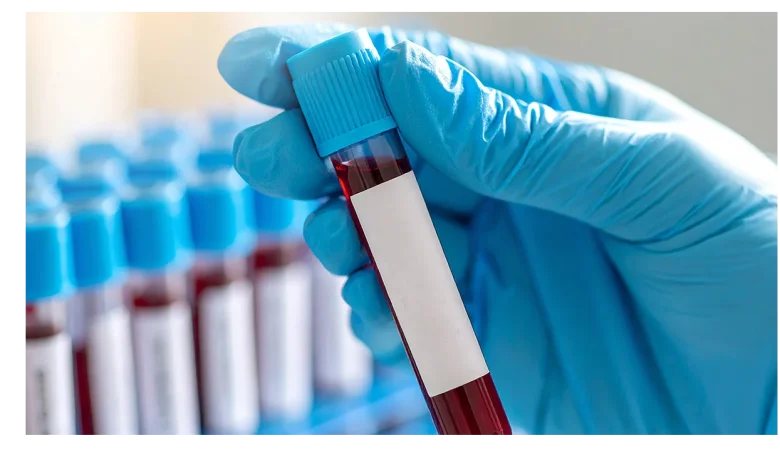
Ahmedabad: For someone bleeding out after an accident, or a patient mid-treatment for a serious illness, a single unit of blood can be the difference between life and death. Families scramble for days trying to arrange it. Donors show up and give what they can, often without a second thought. So it’s hard to read the numbers now coming out of Gujarat: more than 85,000 units of blood — donated in good faith, meant to save someone’s life ended up discarded because of how badly the state’s blood banks are being run.
What the numbers show
According to a Union Health Ministry report, Gujarat’s blood banks collected 11,86,978 units of blood in 2025. That total came from months of donation drives and the work of volunteer organizations across the state. But of that, more than 85,000 units never reached a patient. They were thrown out. The number isn’t just a statistic it points to a system that isn’t planning ahead the way it should.
The two big reasons blood goes to waste
The report points to two main culprits. First: some donors are carrying infections they don’t know about — HIV, Hepatitis B, Hepatitis C, syphilis, malaria — and without proper pre-screening, that blood gets collected anyway. It’s only caught later during testing, by which point the unit has to be destroyed to keep patients safe.




Second, and just as avoidable: expiry. Blood doesn’t last forever in storage, and because blood banks across the state aren’t coordinating with each other, supply doesn’t move to where it’s actually needed. Units sit unused in one location while another region runs short — and eventually, the surplus just expires.
The other reasons blood ends up discarded
Beyond infection and expiry, there’s a longer list of technical and procedural failures behind the waste. Blood found positive for HIV, Hepatitis C, syphilis, or malaria has to be discarded no way around it. Units also get tossed once they pass their usable window, which sits between 35 and 42 days, or if a donation simply didn’t collect the required volume.
Then there’s the handling side: bags leaking during centrifugation, clots forming in stored blood, bacterial contamination, hemolysis. And even blood that’s otherwise fine can end up unusable if it’s stored outside the required temperature range, or if it’s sent back after sitting out of proper storage say, returned from a hospital ward for more than 30 minutes. At that point, it’s a safety call, and the units get pulled.