
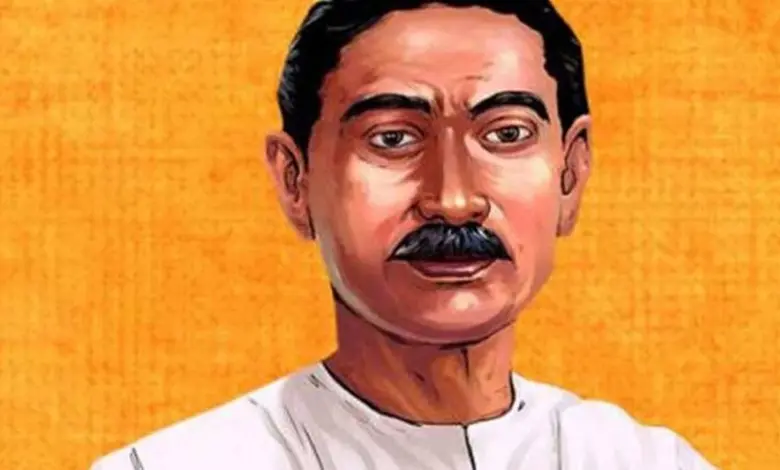
On his birth anniversary, the nation came together to pay glowing tributes to Munshi Premchand, the immortal pioneer of Indian literature and the revered “Katha Samrat”. Prime Minister Narendra Modi, Lok Sabha Speaker Om Birla, and Union Home Minister Amit Shah led the country in remembering the legendary author, highlighting how his timeless creations continue to resonate deeply with contemporary social realities.
Long before his name became synonymous with the conscience of rural India, the literary landscape was heavily dominated by romanticism, escapism, and ornate fantasy. During an era when contemporary writing frequently preferred the glossy realms of idealized romance, mythical grandeur, and abstract emotionalism, Premchand chose a radically different, grit-strewn path. He recognized that literature could not remain insulated from the acute cries of a colonized, impoverished society buckling under feudal oppression, caste hierarchies, and economic exploitation.
By anchoring his pen in raw, unvarnished truth, Premchand became instrumental in steering Indian literature away from safe romanticism and toward profound social realism. Through masterpieces like “Godan”, “Kafan”, and hundreds of short stories, he transitioned fiction into a powerful instrument of social change. His characters were not larger-than-life princes or mythical heroes; they were voiceless sharecroppers, debt-ridden farmers, marginalized laborers, and battered women whose daily struggles for survival mirrored the agonizing truth of the nation.




Premchand infused his narratives with such vivid authenticity that the structural inequalities and human pain he portrayed feel startlingly alive even today. Rather than offering comfortable illusions, his realism exposed the harsh economic disparities and social evils plaguing the grassroots, forcing a complacent society to look inward.
As political figures honored his legacy from his birthplace in Kashi to across the country, the consensus remained clear: Munshi Premchand’s unwavering commitment to truth transformed the nature of Indian storytelling. By replacing romantic abstraction with hard-hitting social realism, he carved out a permanent space for the marginalized, cementing a literary legacy that will guide and inspire generations to come.