
Kathmandu : Three months before glacier-triggered flash floods devastated the Nepal-Tibet border, Nepali and Chinese officials met in Kathmandu in May to discuss disaster risks. China said it had shared important information with Nepal “in a timely manner” and that the two countries had made “substantial progress” on cross-border disaster information-sharing at the meeting.
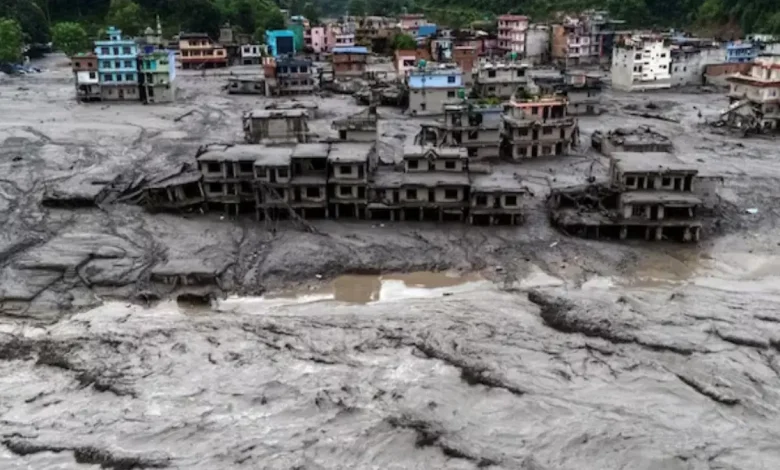
“What we actually wanted from them, and still want, is if there are early movements of glaciers and early movements around that area, we would want to know a bit early,” said Sauhardra Joshi, a hydrologist at Nepal’s Flood Forecasting Division. The concerns came into sharper focus on August 26, when a glacier collapse unleashed a torrent of water, mud and rock that tore through the region, killing over 800 people in Nepal and Tibet and leaving more than 3,000, including 275 Indians, missing, according to the latest figures.
Chinese teams had shared important information with Nepal “in a timely manner”, the embassy said, adding that monitoring hazards in the remote Himalayan border region posed significant challenges. Nepal raised similar concerns last year after a glacial lake outburst flood in Tibet killed at least nine people in Nepal and left more than a dozen missing. “When the Chinese side sees a heavy precipitation forecast in the Tibet area, then they provide us that forecast and those observations,” said Binod Parajuli, a Nepal government hydrologist.
Nepal now wants glacier-related information every 10 minutes, rather than only high-precipitation forecasts, Parajuli said. “We can warn our people, save our people. Our main target is we shouldn’t miss any future disaster,” he added. According to Parajuli, Nepal plans to propose a data-sharing agreement with China modelled on its arrangement with India, which provides more frequent information on precipitation and river levels.




Read Also : Headteacher’s Quick Decision Saves Hundreds of Students from Nepal Flash Flood