
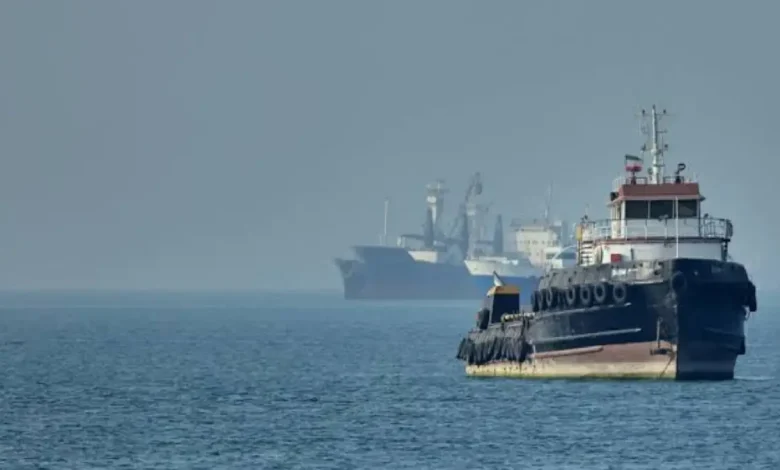
New York : US Secretary of State Marco Rubio on Sunday accused Iran of trying to use the Strait of Hormuz as leverage against the world, calling on other nations to play a greater role in safeguarding one of the world’s busiest maritime trade routes. While reaffirming that the United States would continue protecting global shipping, Rubio said other countries should contribute more resources, whether financial or military, to share the burden.
Tensions escalated further after Bahrain activated missile warning sirens on Monday when Iran announced retaliatory strikes targeting US military installations across the Gulf in response to fresh American airstrikes. Bahrain hosts the US Navy’s Fifth Fleet. Separately, Iran’s Islamic Revolutionary Guard Corps (IRGC) claimed responsibility for attacks on US military targets in Kuwait as part of its retaliation.
Iranian Foreign Minister Abbas Araghchi said Tehran would only consider ending its confrontation with the United States after securing a clear strategic advantage on the battlefield. Speaking to Iran’s state-run IRNA news agency, Araghchi said a ceasefire or negotiations could only take place once Iran had achieved meaningful military gains. “The war can end either through a decisive military victory or through negotiations. The right time for talks is when you have secured a reliable strategic achievement on the battlefield,” Araghchi said.
He stressed that any decision to end the conflict must be based on careful calculations rather than urgency, adding that leaders must weigh whether extending the war would bring greater strategic benefits or impose heavier human and national costs. Despite acknowledging that Iran had suffered losses, Araghchi claimed the conflict had strengthened the country’s international standing. “Despite some losses, we emerged as a decisive international player in this war and demonstrated the strength of the system,” he said.



Araghchi also disclosed details of his conversations with US President Donald Trump’s special envoy, Steve Witkoff, saying he asked whether the American diplomat had ever negotiated under the constant threat of being killed in an airstrike. In an interview with Iran’s state-linked Mehr news agency, Araghchi said Iranian negotiators held talks while fearing that the meeting itself could be bombed at any moment.
Read Also : Trump Escalates Military Response After US Troop Killed In Iranian Attack In Iraq