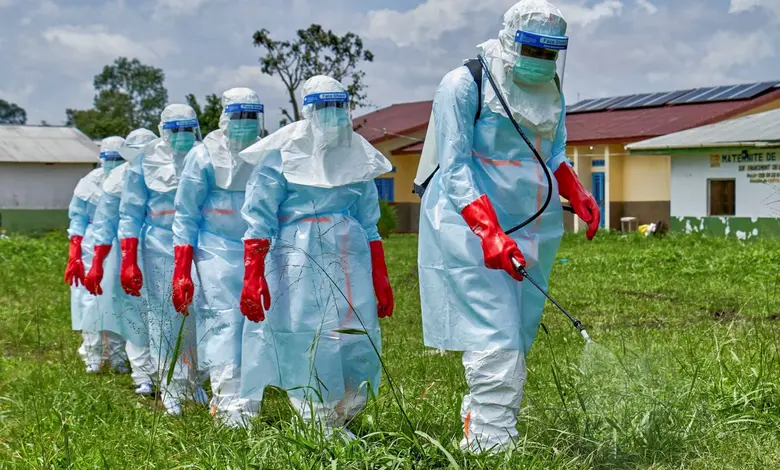
NEW DELHI: The prolonged Ebola virus has experienced a resurgence in parts of the Democratic Republic of Congo and Uganda, prompting swift preventive measures globally. As African nations contend with the accelerating spread of the virus, India has issued a pre-emptive advisory to its citizens to prevent potential domestic transmission. At the time of writing, no cases have been reported on the Indian subcontinent.
Acting on the verge of a potential outbreak, the Ministry of Health and Family Welfare published a public health advisory on Tuesday. While confirming that zero cases have been recorded so far, the ministry warned of risks in the coming days, outlining strict health measures to prevent the disease from taking root. “Health advisory on Ebola disease. As on June 2, 2026, there are no cases of Ebola disease reported in the country,” the ministry stated in a post on X, emphasizing that early detection and timely reporting can save lives and avert a domestic outbreak.
ALSO READ: WHO Sounds Global Alarm as Rare Ebola Strain Triggers International Health Emergency
Individuals developing symptoms such as fever, headache, muscle pain, vomiting, diarrhea, or unexplained bleeding are urged to isolate immediately and notify local health authorities. The ministry’s directive specifically targets high-risk transit: “If you have travelled from or transited through an Ebola-affected country in the last 21 days and develop symptoms… isolate yourself and inform local health authorities.” The public has been directed to seek verified information and assistance via the government’s 24×7 Health Helpline, 1075.
#India_Issues_Fresh_Ebola_Advisory
— NEWS POP (@NEWSPOPFFF) June 2, 2026
India Issues Fresh Ebola Advisory; Travellers From Affected Countries Asked To Isolate If Symptoms Develop…..
The Government of India has issued a fresh advisory amid global concerns over the Ebola virus outbreak, urging travellers arriving… pic.twitter.com/6V3mutvlPE
Named after the Ebola River in the DRC where it was first discovered in 1976, the virus has plagued several African countries at unpredictable intervals since the 1980s, culminating in this latest 2026 resurgence. With an average death rate of 50%, medical science continues to face challenges in deploying an effective vaccine for this specific strain. The virus spreads rapidly through direct contact with the blood, secretions, organs, or other bodily fluids of infected humans and animals.
Health authorities strongly recommend strict adherence to the national advisory, noting that active public cooperation remains vital to keeping the country Ebola-free.
-

-

-

-