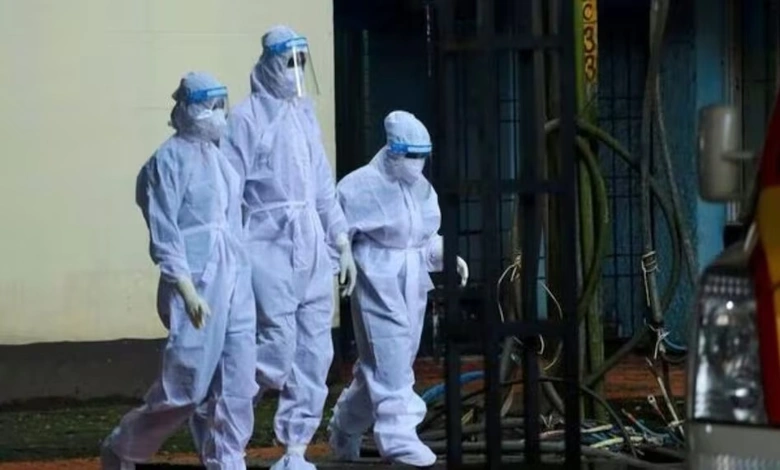
The World Health Organisation (WHO) has declared the ongoing Ebola outbreak affecting the Democratic Republic of Congo and neighbouring Uganda a public health emergency of international concern. The decision, announced on Sunday, follows reports of hundreds of suspected cases and dozens of deaths, raising concerns about potential wider regional transmission.
This outbreak is driven by the Bundibugyo strain of the Ebola virus, a relatively uncommon variant first identified in Uganda’s Bundibugyo district during the 2007-08 outbreak. Health officials have expressed particular alarm because, unlike certain other Ebola strains, no approved vaccines or specific therapeutics currently exist for this variant.
According to available data, authorities have recorded more than 300 suspected cases and at least 88 deaths. In Congo’s Ituri province alone, as of May 16, there were eight laboratory-confirmed cases, 246 suspected cases, and 80 suspected deaths. Uganda has reported two confirmed cases, including one death, in the capital Kampala. A confirmed case has also surfaced in Kinshasa, roughly 1,000 kilometres from the outbreak’s origin in eastern Congo, highlighting risks of spread via travel networks.
The WHO has described the situation as extraordinary, citing significant uncertainties about the actual number of infections and the full geographic extent of the outbreak. Director-General Tedros Adhanom Ghebreyesus noted limited understanding of epidemiological links between cases. Factors complicating response efforts include insecurity, humanitarian challenges, population movements, informal healthcare practices, and reports of healthcare worker infections.
ALSO READ : Indian Crew Members on Hantavirus-Affected Remain Healthy and Symptom-Free
The agency has warned of a potentially much larger outbreak than currently detected, pointing to high positivity rates in initial samples, confirmed cases in major cities, and clusters of deaths. Neighbouring countries sharing borders with Congo face elevated risks due to cross-border mobility and trade routes.
Ebola is a severe, often fatal illness transmitted through direct contact with bodily fluids such as blood, vomit, or semen from infected individuals. Common symptoms include fever, weakness, vomiting, diarrhoea, and bleeding. While previous Ebola outbreaks in Africa have claimed thousands of lives, measures like rapid isolation, contact tracing, and vaccines have successfully contained recent episodes involving other strains. Containment is more challenging here due to the absence of targeted medical countermeasures for Bundibugyo.
The WHO has emphasised that this outbreak does not constitute a pandemic emergency on the scale of COVID-19 and has advised against international border closures. The declaration aims to accelerate global coordination, funding, and enhanced surveillance. The organisation plans to convene an emergency committee shortly to guide further international response measures as efforts continue to assess the outbreak’s true scale.