
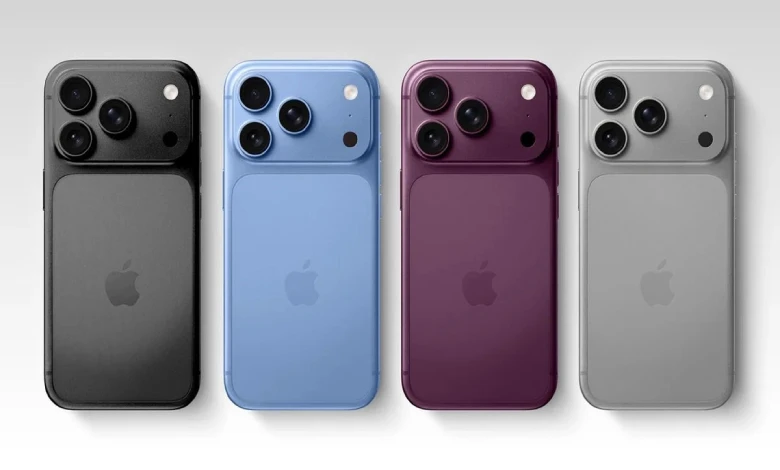
India’s annual per capita income stands at roughly $2,813, or about Rs 2.33 lakh. The newly launched iPhone 18 Pro starts at Rs 1,64,900, while the foldable iPhone Duo reaches as high as Rs 4,49,900 nearly twice the average yearly earnings. By conventional economic logic, such pricing should limit Apple’s appeal in the country. Yet India ranks among the company’s fastest-growing markets.
The explanation lies in India’s layered consumer base rather than national averages. Analysts describe three overlapping segments: an affluent core whose spending patterns resemble those of advanced economies; an aspirational middle and upper-middle class; and a much larger group with lower purchasing power. Apple primarily targets the affluent segment. Even if only 5 per cent of the population can afford an iPhone, that still represents around 70 million people a market larger than the populations of the UK, France or Italy. India’s top 10 per cent of earners capture roughly 58 per cent of national income, creating a substantial premium consumer pool in absolute numbers.
Shipment data supports this focus. In 2025 the overall smartphone market grew just 1 per cent by volume but 8 per cent by value, while Apple’s shipments rose by around 28 per cent and the company secured about 28 per cent of market value. Growth has come from consumers moving up the price ladder rather than a broad expansion of the buyer base.
Financing has played a decisive role. EMI plans convert high upfront costs into manageable monthly payments, making premium devices feel accessible to a wider group of households. Nearly two-thirds of premium smartphones sold through mainline retail are financed. Financing accounted for about 35 per cent of all smartphone purchases in 2025 and is projected to reach 42 per cent in 2026. This shift has turned a large one-time expense into a recurring budget item, similar to a subscription.




Premium phones also expanded from 10 per cent of the offline smartphone market in 2022 to 20 per cent by 2024, reaching beyond major cities into Tier-2 and Tier-3 locations. For many buyers the iPhone functions as both a technology product and a status signal. Aggressive price cuts could dilute that perception rather than expand the market significantly.
Apple’s strategy therefore centres on a sizable affluent and aspirational segment supported by credit, not on the national average. The premium pricing itself forms part of the product’s appeal in this segment of the Indian market.