Apple’s 2026 iPhone Launch: Why This Year’s Price Hikes Are the Worst News for Indian Buyers
By Devansh Desai
Apple’s September event has changed the iPhone lineup in more ways than one a new CEO, a new colour palette, an overhauled camera system, and, for the first time, a foldable form factor. But for Indian consumers, this year’s headline story isn’t the new hardware. It’s the price.
The Bad News First: Older iPhones Just Got More Expensive
Apple typically drops the price of last year’s iPhones when a new generation arrives. This year, it did the opposite. Following the launch of the iPhone 18 Pro series, Apple revised prices upward across its entire India lineup including phones that are one and two years old.
The iPhone 17 (256GB), previously priced at Rs 82,900, now costs Rs 99,900 a jump of Rs 17,000. The iPhone 16, a 2024 model, has gone from Rs 69,900 to Rs 89,900, a steep Rs 20,000 increase for a phone that’s no longer even the newest in its own line. The iPhone Air has taken the biggest hit of all: its base 256GB model has risen from Rs 1,19,900 to Rs 1,49,900, a Rs 30,000 increase, while the 1TB version has jumped by as much as Rs 65,000, now retailing at Rs 2,24,900. Even the budget-friendly iPhone 17e wasn’t spared, rising from Rs 64,900 to Rs 79,900.
Apple has attributed the hikes to rising global memory and component costs a pressure being felt across the smartphone industry through 2026, with several other manufacturers quietly raising prices in recent months as well.




A New Launch Rhythm for iPhones
Beyond pricing, Apple is also restructuring how often it launches iPhones. Starting in 2026, the company will hold two iPhone events a year instead of one. The September event is now reserved for premium models the Pro series and the newly introduced foldable while a second event around March or April will introduce the more affordable iPhone Air or “e” series.
iPhone 18 Pro and Pro Max: Five Key Upgrades
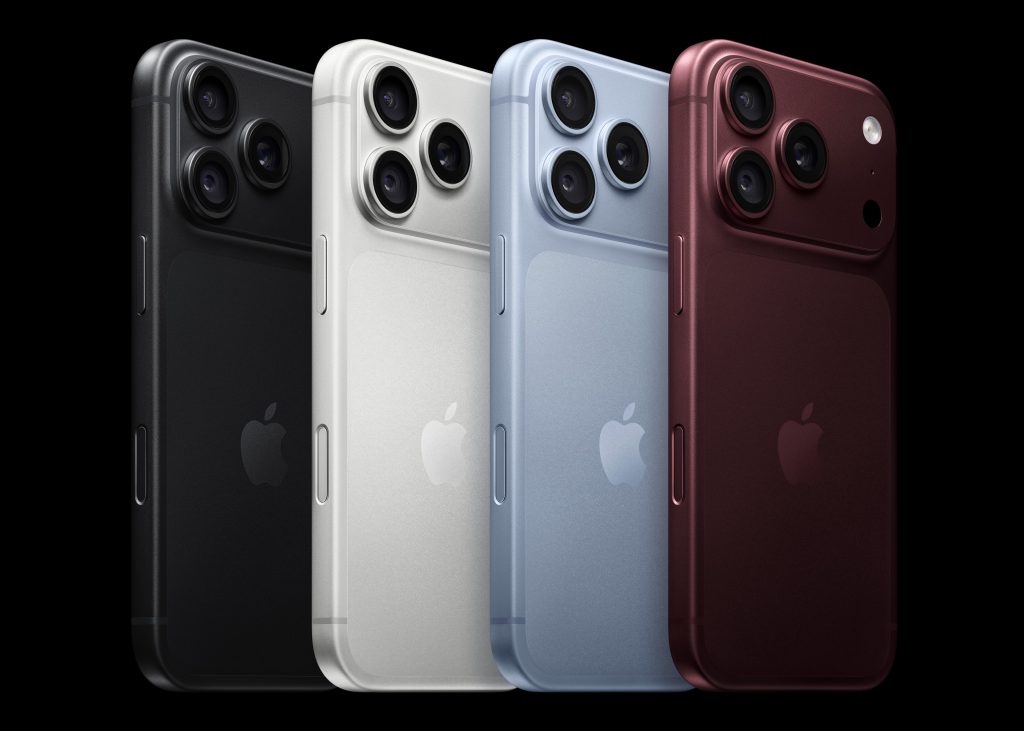
The iPhone 18 Pro and Pro Max retain a familiar design language from last year but arrive in new colourways, including a burgundy shade billed as this year’s hero colour, alongside silver, a glacier tone, and a returning jet black. On the front, the Dynamic Island has shrunk slightly but now expands to hold three active app indicators instead of two a software update expected to roll out to older iPhones as well.
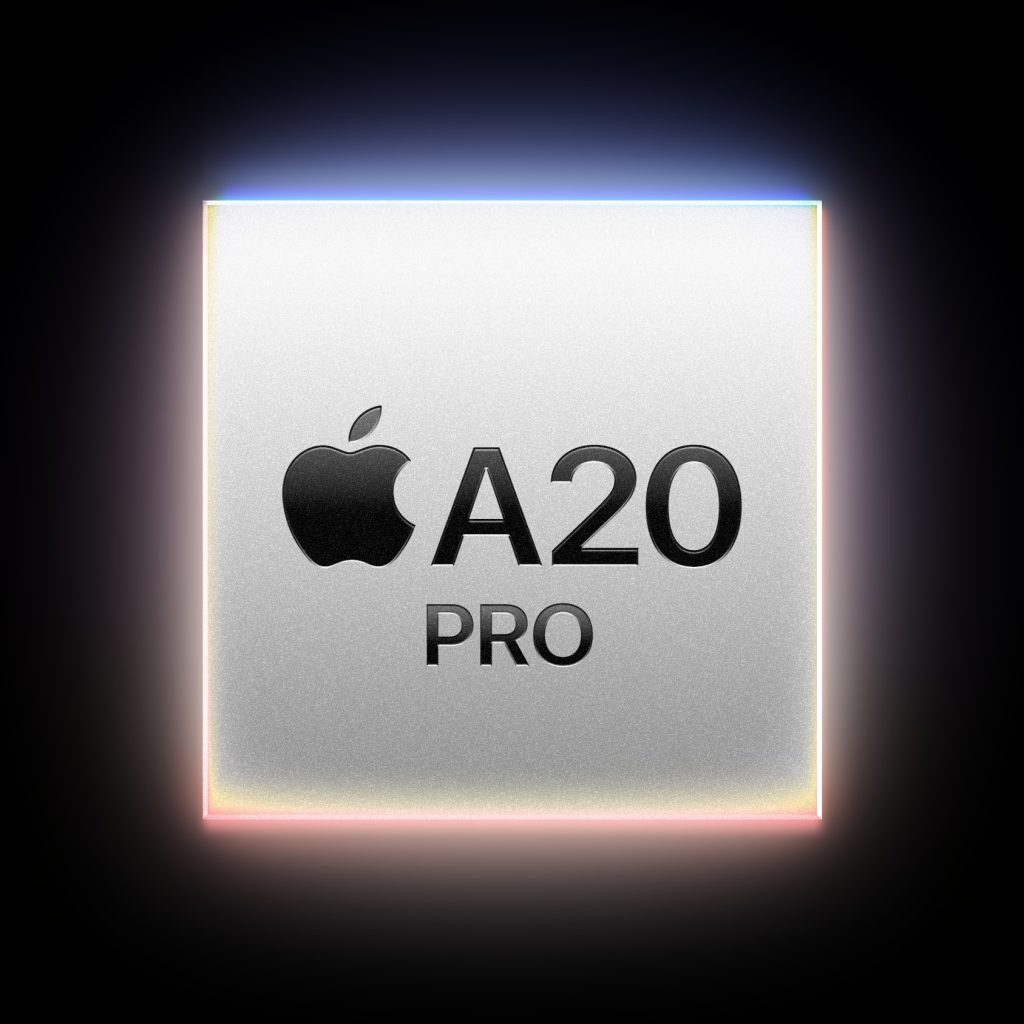
Under the hood is the new A20 Pro chip, built on a 2-nanometer process. It packs six CPU cores two performance cores and four efficiency cores delivering a claimed 20 percent CPU speed improvement over last year’s A19 Pro. The bigger jump is on the graphics side: the GPU core count has increased from six to seven, continuing Apple’s recent push to position the iPhone as a more capable gaming device. The chip also introduces M-series-style packaging, placing RAM physically closer to the processor on the motherboard for faster data exchange though real-world performance and thermal behaviour will only become clear once review units are tested.
On the camera front, the triple 48-megapixel setup now includes a variable-aperture main lens, allowing the lens opening to physically adjust to control light intake and background blur a feature that has previously appeared on select Samsung and Xiaomi devices. Apple has also added a long-requested Pro mode to its camera app, giving creators manual control over exposure, shutter speed and white balance during photo and video capture.
The fourth major upgrade is Apple’s AI assistant, now rebranded as Siri AI and spun off into an independent app with visual recognition capabilities and improved integration with third-party apps, alongside undisclosed battery and charging improvements that Apple has yet to quantify with specific numbers.
Also Read:iPhone 18 Pro Could Get More Expensive — Here’s Why
iPhone Duo: Apple’s First Foldable, at a Steep Price
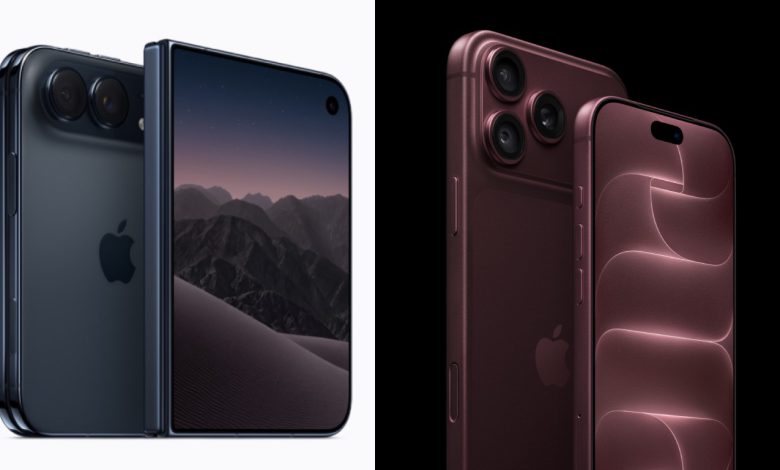
Apple also introduced its first foldable device, the iPhone Duo not branded “Ultra” or “Fold,” but Duo. The device opens like a passport, with a 5.4-inch outer display and camera cutout positioned to keep navigation elements within reach of the right thumb, making one-handed use easier, though a left-handed layout option has not been confirmed.
The inner foldable display measures 7.6 inches with a 120Hz refresh rate, and Apple has added a nano-texture, matte-like finish that makes the fold crease largely invisible even under close inspection a notable achievement given how visible creases have historically been on rival foldables. Notably, Apple has placed the front camera under the inner display, a design choice Samsung abandoned after roughly seven years of using it.
The iPhone Duo carries a dual rear camera setup a 48-megapixel main sensor paired with a 48-megapixel ultra-wide lens. It also brings back Touch ID instead of Face ID, and introduces Split View, allowing two apps to run side by side on the folding display. However, the device does not support a physical SIM card, relying solely on eSIM, and lacks both an Action button and Stage Manager-style multitasking seen on iPads.
In India, the iPhone Duo starts at Rs 2,99,900 for the base 256GB variant, rising to Rs 4,49,900 for the 2TB model making it the most expensive iPhone Apple has ever sold in the country.
Apple Watch Series 12 and Ultra 4
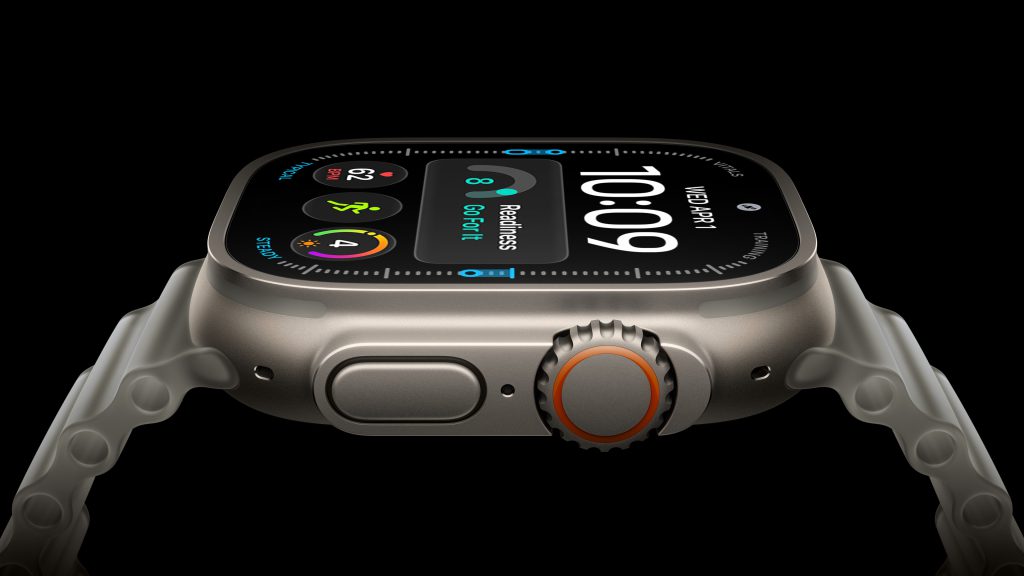
Apple also unveiled the Apple Watch Series 12 and Apple Watch Ultra 4, both featuring expanded health tracking, including readiness and age-related scoring metrics. One feature has drawn attention for its privacy implications: the watch can capture brief snippets of nearby conversations and later show a text transcription not audio playback to help wearers recall what was said, raising questions about consent when recording conversations involving other people.
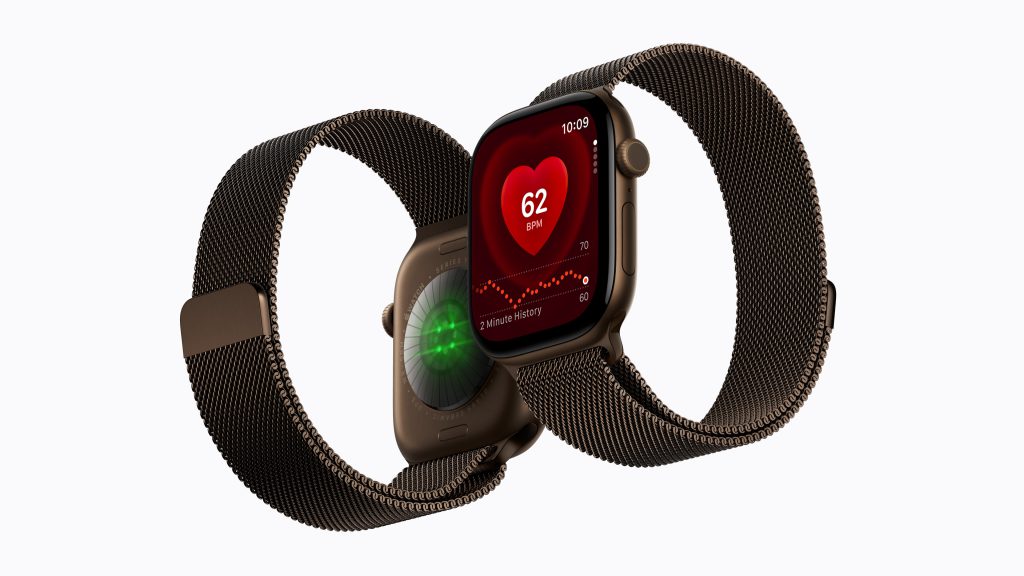
The Apple Watch Series 12 starts at Rs 56,900 in India, with the titanium variant priced at Rs 1,00,000, while the Apple Watch Ultra 4 is priced at Rs 1,09,900.