
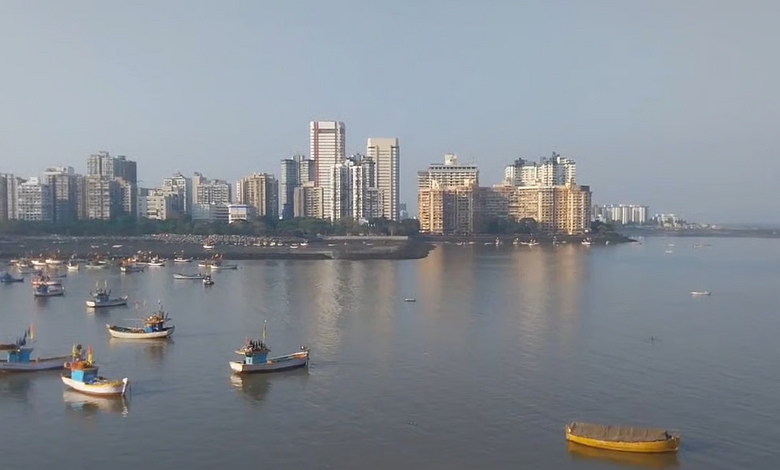
Mumbai’s weather turned uncomfortably warm once more on Saturday as the city experienced a sharp rise in daytime temperatures, even as parts of the state, including Pune, recorded extreme heat. The India Meteorological Department (IMD) has forecast rainfall accompanied by thunderstorms across several regions of Maharashtra in the coming two days.
On March 28, 2026, the Santacruz observatory in Mumbai logged a maximum temperature of 37.1 degrees Celsius, while the Colaba station recorded 34.1 degrees Celsius. Both readings were above normal—3.7 degrees higher at Santacruz and 1.8 degrees at Colaba. Temperatures had climbed noticeably within the last 24 hours, with increases of about 2 degrees at Santacruz and 1.5 degrees at Colaba. High humidity levels exceeding 60 per cent made the conditions feel even more oppressive, prompting many residents to compare the heat to that of May.
The regional meteorological centre issued warnings of hot and humid conditions for Mumbai, Raigad, Ratnagiri, and Sindhudurg. In the Konkan belt, Alibag reached 34.3 degrees Celsius (2.5 degrees above average), Dahanu recorded 33.4 degrees, and Ratnagiri was also warmer than usual by 3.1 degrees.
Pune, meanwhile, saw the mercury soar to a seasonal high of 40.4 degrees Celsius at the Lohegaon area, with a minimum of 25.6 degrees Celsius. This marked the second consecutive day of rising temperatures in the city.




ALSO READ : Mumbai Megablock To disrupt Western, Central And Harbour lines
Looking ahead, the IMD has predicted the possibility of thundershowers in the coming days. From Monday, rain with lightning is likely over Konkan and central Maharashtra, while Marathwada may see activity starting Sunday. Vidarbha could experience isolated showers on Saturday and Sunday. A yellow alert has been issued for isolated places in Konkan, central Maharashtra, Marathwada, and Vidarbha. Specific districts such as Pune, Satara, and Kolhapur may witness thunderstorms accompanied by rain.
Meteorologists attribute the current warming to the influence of westerly winds over northern India, which are contributing to the formation of low-pressure areas. This has increased moisture in the atmosphere, intensifying the heat index and causing a notable rise in minimum temperatures as well.
Earlier in March, several districts had received unseasonal rain that affected crops, but the latest shift has brought back warmer conditions before another round of possible precipitation. Residents in coastal and interior areas have been advised to stay prepared for the changing pattern. (Word count: 352)
The report draws from observations and forecasts shared by the India Meteorological Department (IMD), as covered by Maharashtra Times.