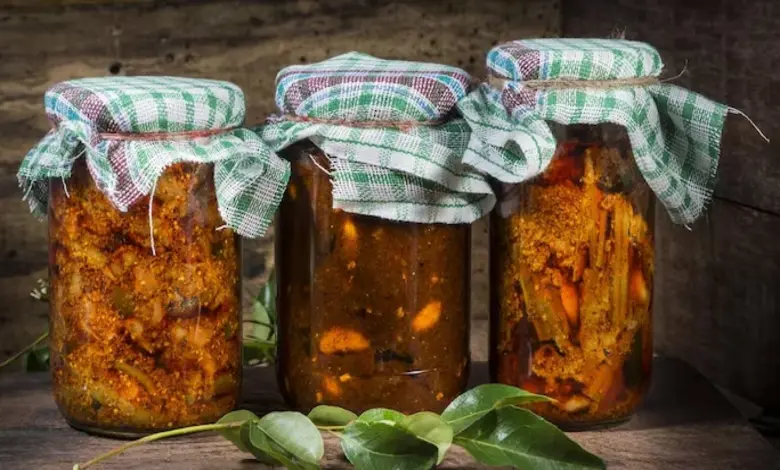
Homemade pickles are meant to last for months, but many people find their jars developing mold , strange odors, or a mushy texture far earlier than expected. Experts say the problem often isn’t the recipe itself it’s a handful of common mistakes made during preparation, storage, and handling.
Pickles have long been a staple in Indian households, with families preserving mangoes, lemons, chillies, and mixed vegetables using traditional methods passed down through generations. When prepared and stored correctly, these pickles can remain fresh and flavourful for months or even years. However, a few over looked details can significantly shorten their shelf life .
- Moisture Is Sneaking Into the Jar
One of the biggest enemies of pickle preservation is water. Even a small amount of moisture can create the perfect environment for mold and bacterial growth.
Many people unknowingly introduce moisture by using damp spoons, storing ingredients before they are completely dry, or closing jars while traces of water remain inside. Traditional pickle making methods emphasize drying ingredients thoroughly in sunlight before mixing them with spices and oil for this reason.
- Not Using Enough Salt or Oil
Salt and oil do more than add flavor they act as natural preservatives.
Reducing salt for health reasons or skimping on oil can weaken the protective barrier that helps prevent spoilage. In oil based Indian pickles, ingredients should remain adequately coated to reduce exposure to air and contaminants. Similarly, salt helps draw out moisture and creates conditions that discourage microbial growth.
- Storing Pickles in the Wrong Place
Where a pickle jar is kept can make a major difference.
Excessive heat, humidity, and direct exposure to changing temperatures can affect quality over time. While some pickles benefit from controlled sunlight during the initial curing process, long term storage is generally best in a cool, dry place away from moisture and temperature fluctuations.
Kitchen shelves near stoves or sinks are often less ideal than people realize.
- Using Dirty or Wet Spoons
A single wet spoon can introduce enough contamination to start spoilage.
Food safety experts recommend always using a clean, dry utensil when serving pickles. Repeated exposure to moisture, food particles, or unwashed utensils can gradually contaminate the contents of the jar, leading to mold growth or off flavors.
This simple habit is one of the easiest ways to extend a pickle’s shelf life.
- Choosing the Wrong Container
The container itself matters more than many people think.
Glass jars remain the preferred choice for long term pickle storage because they are non reactive and easier to sterilize. Poor quality containers, damaged lids, or improperly sealed jars can allow air and moisture to enter, increasing the risk of spoilage.
Before filling a jar, it should be thoroughly cleaned and completely dry.
Warning Signs Your Pickle May Have Spoiled
Consumers should watch for several indicators that a pickle is no longer safe to eat:
- Visible mold growth on the surface
- Unpleasant or sour odors that differ from the pickle’s normal aroma
- Excessive bubbling or fermentation in non fermented pickles
- Significant color changes
- A slimy or unusually soft texture
If any of these signs appear, food safety experts generally advise discarding the pickle rather than attempting to salvage it.
Conclusion
Most pickle spoilage can be traced back to moisture, contamination, improper storage, or insufficient preservation. By ensuring ingredients are dry, maintaining adequate salt and oil levels, using clean utensils, and storing jars correctly, households can keep their favorite pickles fresh and flavorful for much longer.
Sometimes, preserving a pickle isn’t about a secret recipe it’s about avoiding a few simple mistakes.
ALSO READ: Food Safety Officer Shares 4 Easy Tests To Check Adulteration At Home