In a notable achievement for India’s aviation sector, two domestic airports have earned spots on the World’s Most Beautiful Airports List for 2026. The recognition comes from the Prix Versailles, a respected international award program that celebrates outstanding architecture and design.
The selected facilities are Terminal 1 at Navi Mumbai International Airport and Terminal 2 at Lokpriya Gopinath Bordoloi International Airport in Guwahati. Both are operated under the same management group and mark the first time these airports have featured on this prestigious list. They were chosen for their strong integration of architectural innovation, sustainability efforts, cultural elements, and enhanced passenger experiences.
The Prix Versailles, presented annually at UNESCO headquarters in Paris since 2015, honors airports and terminals that skillfully merge visually striking designs with practical functionality, environmental considerations, and traveler comfort. This year’s selections include notable projects from various nations, with the Indian entries standing alongside those from countries such as China, Germany, Cambodia, and the United States.
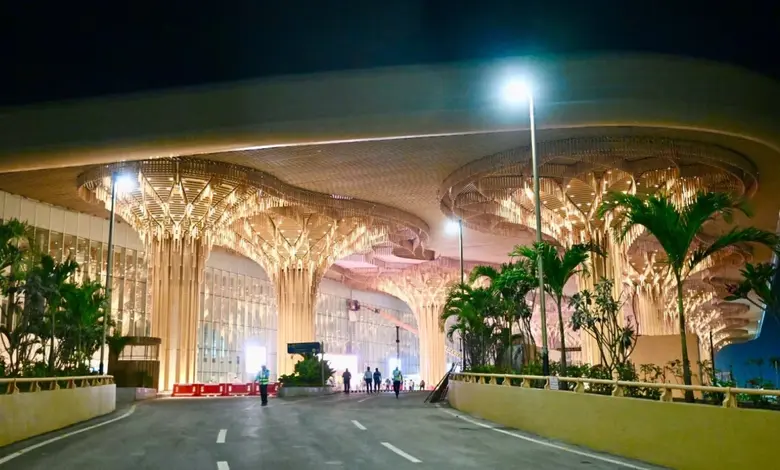
Navi Mumbai’s Terminal 1 stands out for its lotus-inspired architecture and forward-looking aesthetic. The design incorporates advanced technology, public art installations, and contemporary infrastructure, positioning the airport as a modern gateway that mirrors India’s growing presence in the global economy. Planners anticipate that the facility will improve regional air links and contribute to broader economic expansion in the Mumbai metropolitan area.
Meanwhile, Guwahati’s Terminal 2 draws inspiration from the Bamboo Orchid, reflecting the rich natural heritage and biodiversity of Northeast India. The structure emphasizes sustainable and biophilic design approaches while highlighting local cultural traditions. Located strategically between South and Southeast Asia, the terminal plays a vital role as a gateway to the Northeast region and supports improved connectivity across borders.
The operator has emphasized its commitment to creating world-class airport infrastructure that combines design quality with efficient operations and environmental stewardship. Officials noted that modern airports increasingly serve as drivers of tourism, regional progress, and economic activity beyond their basic transportation role.
Three airports or terminals from the 2026 shortlist are expected to receive further World Titles later this year for exceptional achievements in interior or exterior design. The inclusion of these two Indian facilities highlights the country’s advancing capabilities in aviation infrastructure development and its focus on blending creativity with sustainable practices.