
US House Approves Russia Sanctions Bill, Opening Path for Up to 100% Tariffs on Major Energy Buyers Including India
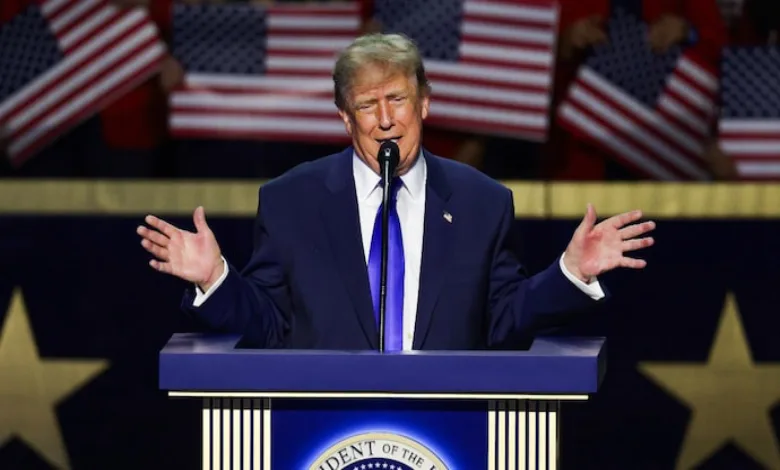
The US House of Representatives has passed a comprehensive sanctions package targeting Russia, clearing the measure for presidential consideration. The legislation, known as the Lindsey O. Graham Sanctioning Russia and Iran Act of 2026, was approved by a 262-159 vote and follows earlier Senate passage. It now moves to President Donald Trump, who has indicated he will sign it into law.
The bill strengthens measures against Russian officials, financial institutions, the energy sector and vessels used to circumvent existing restrictions. It also extends related sanctions on Iran’s energy and weapons sectors.
A key provision authorises the president to impose tariffs of up to 100 per cent on goods from countries ranked among the top five importers of Russian oil or natural gas. India and China, as major purchasers of Russian crude, fall within the scope of this authority. The measure is designed to increase economic pressure on Russia by discouraging continued energy purchases that support its revenues.
The legislation does not automatically apply a 100 per cent tariff on Indian exports to the United States. Instead, it creates a statutory framework that would allow the administration to introduce such tariffs under defined conditions if it chooses to do so. Supporters argue the potential tariff threat could encourage major buyers to reduce dependence on Russian energy supplies.



The package reflects bipartisan support for additional economic measures linked to the ongoing conflict in Ukraine, though some lawmakers raised concerns about expanding presidential tariff powers. Once signed, the administration would gain additional tools to influence both Russian financing channels and the energy trade practices of third countries.
For India, the development introduces a new element of potential trade pressure tied to its energy import patterns. The final impact would depend on whether and how the tariff authority is exercised after the bill becomes law.