
Trump Administration Extends Russian Oil Sanctions Waiver, Aiming to Curb China’s Discounted Crude Stockpiles
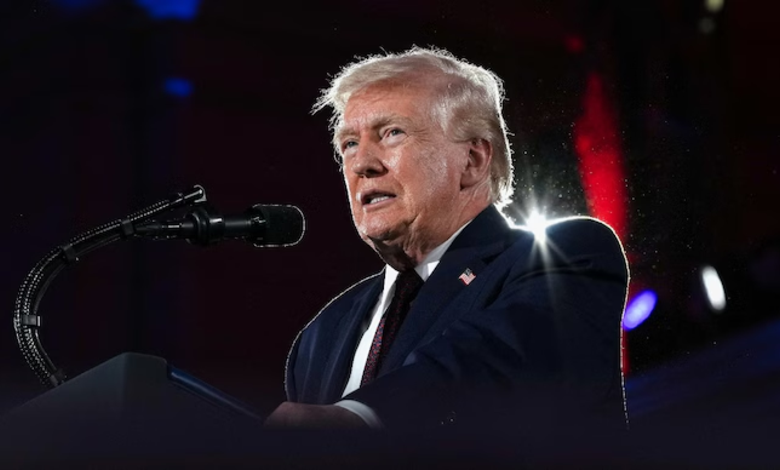
In a policy reversal, the Donald Trump administration has extended a sanctions waiver permitting the purchase of Russian crude oil transported by sea. The decision, announced two days after the previous waiver expired on May 16, 2026, follows an initial easing of restrictions in early March aimed at stabilizing escalating global crude prices.
US Treasury Secretary Scott Bessent shared the update on the social media platform X, stating that the Treasury is issuing a temporary 30-day general license. This measure seeks to assist the most vulnerable nations in accessing Russian oil currently stranded at sea, offering greater flexibility while specific licenses are arranged as required. Bessent emphasized that the license would help stabilize the physical crude market and direct supplies to energy-vulnerable countries. He added that it would also reduce China’s ability to stockpile discounted oil, thereby rerouting existing supplies to nations with greater need.
The extension holds particular relevance for India, which has significantly ramped up its imports of Russian crude in recent months under the protection of the waiver. Monthly purchase volumes have climbed to levels not seen in several years, echoing the heavy discounts India secured from Russia in the past. Although Russian crude now trades at a premium amid rising global prices, the absence of sanctions has rendered it economically attractive for both public sector and private refiners. This is especially important given ongoing disruptions to supplies through the Strait of Hormuz.
ALSO READ :” Five Dead in San Diego Mosque Shooting




Petroleum ministry joint secretary Sujata Sharma affirmed earlier on the same day that India intends to sustain Russian crude imports based on commercial considerations and energy security needs, irrespective of the US sanctions waiver status. Speaking to reporters, Sharma noted that India’s procurement from Russia has remained steady before, during, and after the waiver period. She stressed that decisions are guided by commercial logic and assured supply availability, with the country holding sufficient volumes through long-term contracts. Sharma added that the waiver’s presence or absence would not affect India’s crude supplies.
This development underscores India’s pragmatic approach to energy sourcing, prioritizing economic viability and reliable access amid a complex geopolitical landscape.