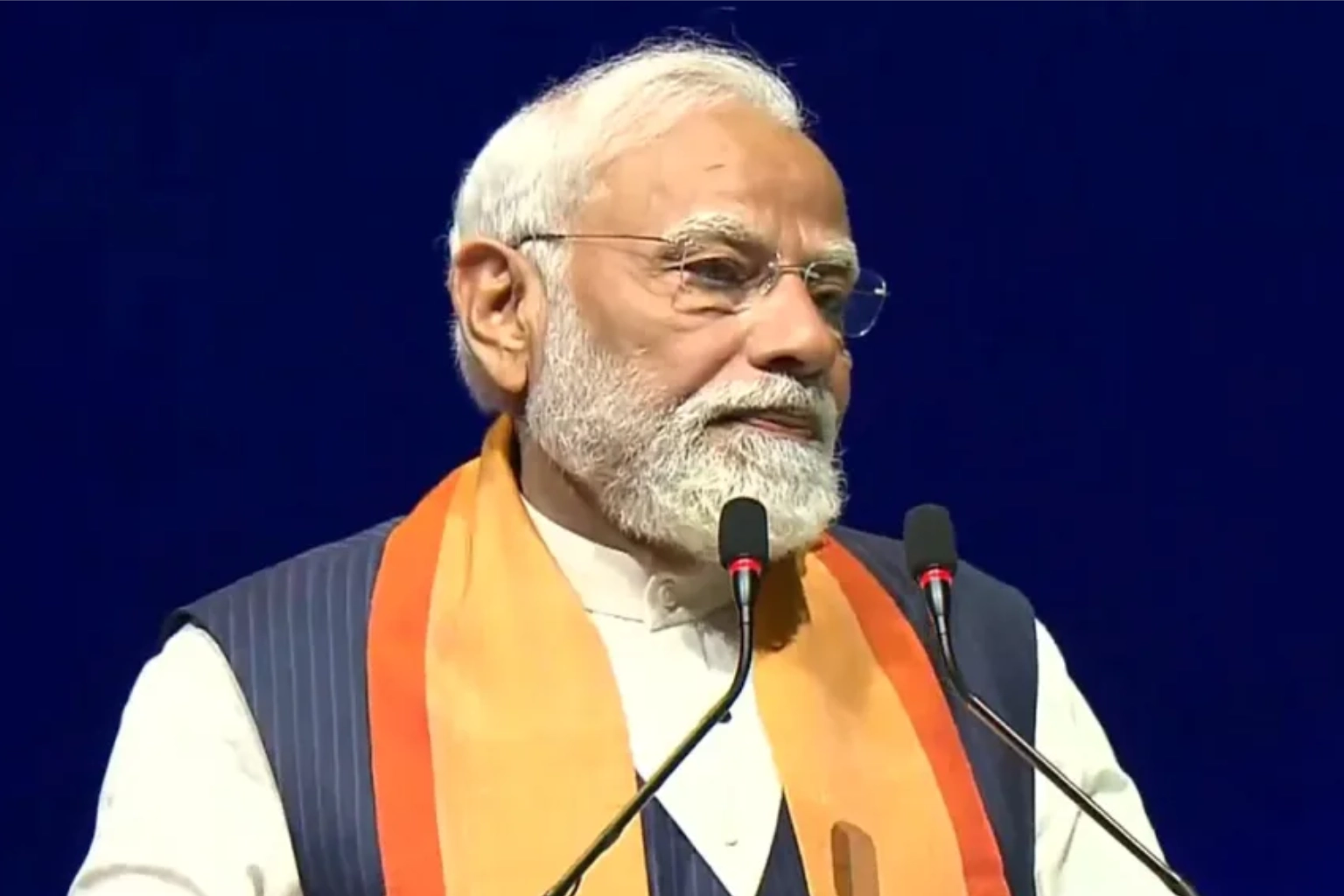
The recent US Navy action that sent an Iranian warship to the bottom of the Indian Ocean has added fresh complications to Indian Prime Minister Narendra Modi’s efforts to navigate the widening Middle East conflict without alienating key partners, Bloomberg reports.
A US submarine torpedoed and sank the Iranian frigate IRIS Dena in international waters off Sri Lanka’s southern coast, marking the first American torpedo sinking of an enemy surface vessel since World War II. US Defense Secretary Pete Hegseth announced the strike, stating the ship “thought it was safe in international waters” but was instead hit with a torpedo, resulting in what he termed a “quiet death.” Sri Lankan authorities reported rescuing 32 sailors while recovering numerous bodies, with significant casualties among the crew.
The frigate had recently participated in naval exercises in the Bay of Bengal, including activities hosted by the Indian Navy, making the incident particularly sensitive for New Delhi. The event extends the US-led campaign against Iranian naval assets far beyond the primary conflict zone in the Middle East, where American and Israeli forces have targeted Iranian military infrastructure.
ALSO READ : Dubai Remains Calm, Safe Amid Iran-Israel Tensions: Mumbai Samachar
According to Bloomberg Economics geoeconomics analysts Chetna Kumar and Adam Farrar, the sinking “risks frictions with Washington and domestic embarrassment for Indian Prime Minister Narendra Modi’s government.” Modi’s administration has faced mounting domestic criticism for its restrained response to earlier US and Israeli strikes on Iran, declining to issue explicit condemnation while emphasizing broader worries about regional stability, threats to Indian nationals, and disruptions to vital trade and energy routes through the Middle East.
India’s foreign ministry has focused statements on humanitarian and economic fallout rather than assigning blame to specific parties. The opposition has pressed for a stronger stance, arguing the government’s position appears overly cautious.
With the conflict now touching South Asian waters, the episode underscores the challenges for India in preserving relations with both Washington—an important strategic and defense partner—and Tehran, amid calls at home for clearer diplomatic positioning. The development tests Modi’s long-standing approach of strategic autonomy and multi-alignment as geopolitical pressures intensify in the region.
-

-
-
-