
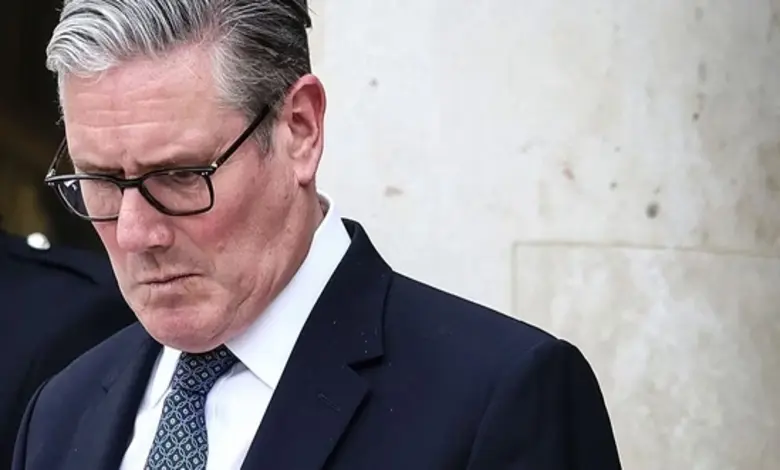
United Kingdom Prime Minister Keir Starmer appears poised to resign from his position as early as Monday, June 22, amid growing discontent within his own Labour Party and a direct leadership challenge from prominent colleague Andy Burnham. This potential departure would mark a swift end to his tenure, coming less than two years after he guided Labour to a decisive electoral victory in 2024, ending 14 years in opposition.
If Starmer steps aside now, the country would see its seventh prime minister in just over a decade, highlighting the instability that has characterized recent British politics. The prime minister has been weighing his options over the weekend at Chequers, the official country residence, while speculation swirls about his future. He has previously stated his determination not to step away and has called for party unity.
A key factor in the current crisis is the strong performance of Andy Burnham, who secured a significant victory in a recent by-election in Makerfield. His win not only bolstered his standing but also intensified discussions within Labour circles about whether Starmer could withstand a formal challenge. Burnham defeated candidates from Reform UK and another rival group by a substantial margin of around 10,000 votes, positioning him as a potential successor capable of confronting challenges in future national elections.
ALSO READ: JD Vance’s ‘An Indian And A Pakistani’ Remark On Wife, Munir Goes Viral After Iran Talks



Dissatisfaction within the Labour Party has intensified following disappointing results in local and other elections held in May. Several senior figures, including cabinet members, have expressed concerns over Starmer’s leadership and urged him to outline a clear exit plan or resign promptly. One minister indicated a shift in the prime minister’s stance in recent hours, noting reluctance for a series of high-profile departures that could further destabilize the government.
Business Secretary Peter Kyle confirmed that Starmer has been consulting widely and reflecting on the political landscape, acknowledging the existence of active challenges to his authority without downplaying the situation.
Adding to the external commentary, US President Donald Trump publicly predicted Starmer’s resignation on social media, citing shortcomings in managing immigration and energy policy, including decisions related to North Sea oil. Trump extended well wishes despite not having spoken directly with the prime minister recently.
Starmer’s government has encountered difficulties delivering on key promises made during the 2024 campaign, particularly in areas such as stimulating economic growth, improving public services, and addressing the cost of living. A notable controversy arose from the appointment of Peter Mandelson as ambassador to the United States, which drew scrutiny due to previously underreported associations and further fueled calls for the prime minister’s exit—though he initially held firm.
The unfolding events underscore the intense pressures facing Starmer as he navigates internal party dynamics and broader political realities. Whether he chooses to resign or contest a leadership bid remains to be seen, but the momentum appears to be shifting rapidly