
Trump Dismisses Iran’s Seven-Day Plan to Reopen Strait of Hormuz as Conflict Enters Seventh Month
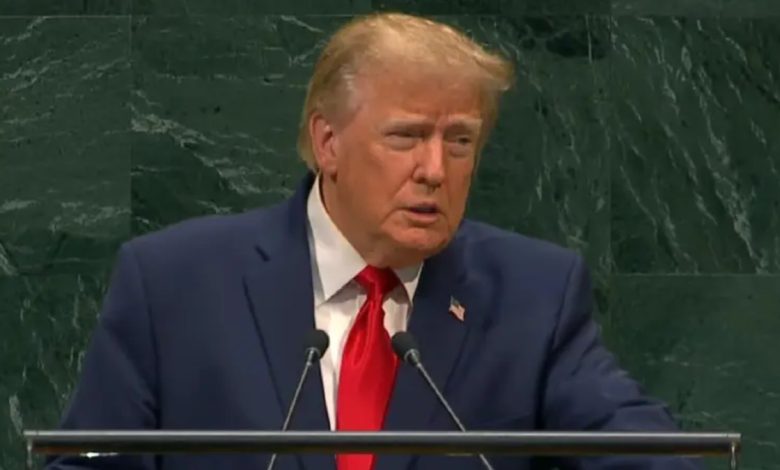
US President Donald Trump has rejected Iran’s proposal for a rapid reopening of the Strait of Hormuz and a halt to regional fighting within seven days. He has also informed aides that he anticipates restarting military strikes after the November congressional elections, according to accounts from unnamed American officials.
Iranian Foreign Minister Seyed Abbas Araghchi outlined the plan while speaking to reporters at the United Nations on Friday. He said Iran had passed a concrete seven-day proposal to Washington through Qatar. The clock would begin once the United States accepted the offer. Under the outline, Washington would complete certain required steps over the first four or five days. On the sixth day the strait would reopen, and formal talks aimed at a final agreement would begin on the seventh.
Araghchi stressed that Iran stands ready to move forward if the United States shows genuine seriousness about reaching a deal and restoring navigation through the waterway. He added that the decision now lies with Washington, emphasizing that Iran will not accept coercion, threats or intimidation and will not surrender its sovereign rights under pressure.
A day earlier, Iranian President Masoud Pezeshkian repeated his government’s preference for dialogue and diplomacy while accusing the United States of repeatedly disrupting negotiation efforts.



American officials have described recent contacts with Iran through mediators as positive and constructive. Trump, however, remains privately skeptical that Tehran will meet his demands and has signaled to staff that a renewed bombing campaign appears likely.
The Iranian proposal arrives after earlier diplomatic attempts failed to end the conflict that began on February 28 with joint US and Israeli strikes. The fighting has since swung between temporary pauses and fresh attacks, claiming thousands of lives, weakening Iran’s conventional forces and further damaging its already strained economy.
Iran and its partners have responded by widening the conflict across the region. Iranian forces have launched drones and missiles against US allies in the Gulf, while Houthi fighters in Yemen have targeted Saudi interests. Iranian-aligned groups in Iraq have been linked to a pipeline attack that briefly reduced Saudi oil exports, and Hezbollah continues to engage Israeli forces in Lebanon.
On Friday, defense officials from Türkiye and Pakistan met in Riyadh with their Saudi counterparts to review security conditions, intelligence sharing and force coordination under a joint defense framework. The same day, United Nations children’s agencies reported rising acute malnutrition among children in Yemen amid the ongoing violence.
The seven-month confrontation continues to disrupt oil shipments through one of the world’s most vital maritime corridors, keeping global attention fixed on whether diplomacy or further military action will shape the next phase.