
Nepal Floods: Rebuild Cost Estimated at $4.78 Billion as 1,385 Killed, 5,130 Still Missing
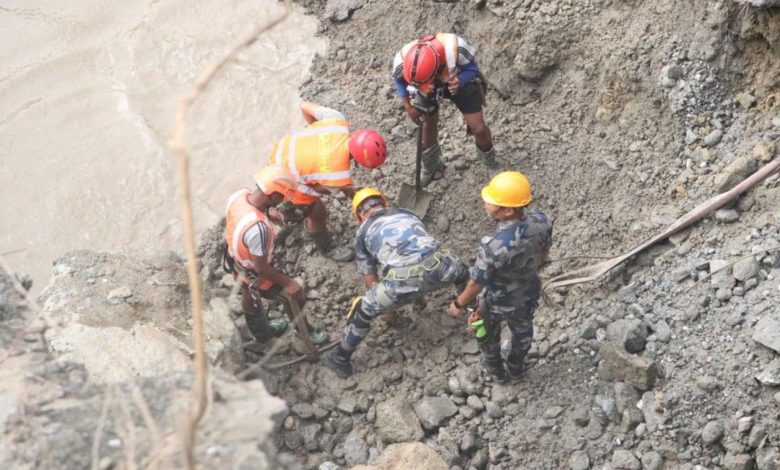
Nepal will need around $4.78 billion to rebuild after deadly floods caused by a glacial mountain collapse last month, the country’s foreign ministry said on Friday (September 11).
The disaster struck on August 26, when a huge flow of water, mud and debris swept through areas near the China-Nepal border. Around 1,400 people have died, while more than 5,000 remain missing.
Nepali foreign ministry spokesman Lok Bahadur Chhetri said most of the funds would be needed for long-term reconstruction.
“The total estimated requirement for reconstruction is approximately $4.78 billion,” Chhetri told reporters.



“Of this, approximately $57.67 million is estimated to be required for short-term reconstruction and recovery over the next six months, while approximately $4.71 billion is required for longer-term reconstruction.”
Nepal seeks help for rebuilding
The latest figures from Nepal’s National Disaster Risk Reduction and Management Authority show that 1,385 people have died and 5,130 remain missing.
Rescue teams have so far saved 13,676 people, with search and relief operations continuing in the affected areas. The government has deployed 21,022 security personnel for rescue and relief work, including 8,844 Nepal Army personnel, 7,975 Nepal Police personnel and 4,203 Armed Police Force personnel.
Nepal’s leaders have said the country needs long-term international support to deal with changing conditions in its mountain regions. Prime Minister Balendra Shah had earlier said Nepal must “strongly raise” with the international community the disasters it has faced due to climate change. Shah is expected to travel abroad for the first time as prime minister this month to attend the United Nations General Assembly and raise the issue there.
Floods leave widespread destruction
Nepal is a largely rural country with a population of around 30 million, and produces only a small share of the world’s greenhouse gas emissions compared with industrialised countries. The exact cause of the glacial collapse remains unclear; however, glaciers around the world are melting as global temperatures rise, increasing the risk of such disasters. Scientists say glaciers in the Himalayas, the world’s highest mountain range, are melting faster due to rising temperatures.
Also Read:Don’t Know Why They Call Them That: Putin Takes Swipe at G7 Economies at BRICS Meeting
Chhetri said the government is now assessing the full extent of the damage caused by the disaster. “Given the scale and extent of the damage, the government is also undertaking a comprehensive post-disaster needs assessment to determine the full extent of loss and damage and the requirement for recovery, rebuilding and reconstruction,” he said.
A preliminary UN assessment estimated damage to buildings from the floods at $158 million, adding that total losses would be significantly higher once damage to roads, bridges and farmland, along with humanitarian costs, is factored in.
The disaster also caused deaths in neighbouring China. According to state media, 43 people have died and 519 remain missing there. The combined death toll in Nepal and China now stands at 1,428, while more than 5,649 people remain missing. Around 800 foreigners, including tourists and pilgrims, are among those unaccounted for.