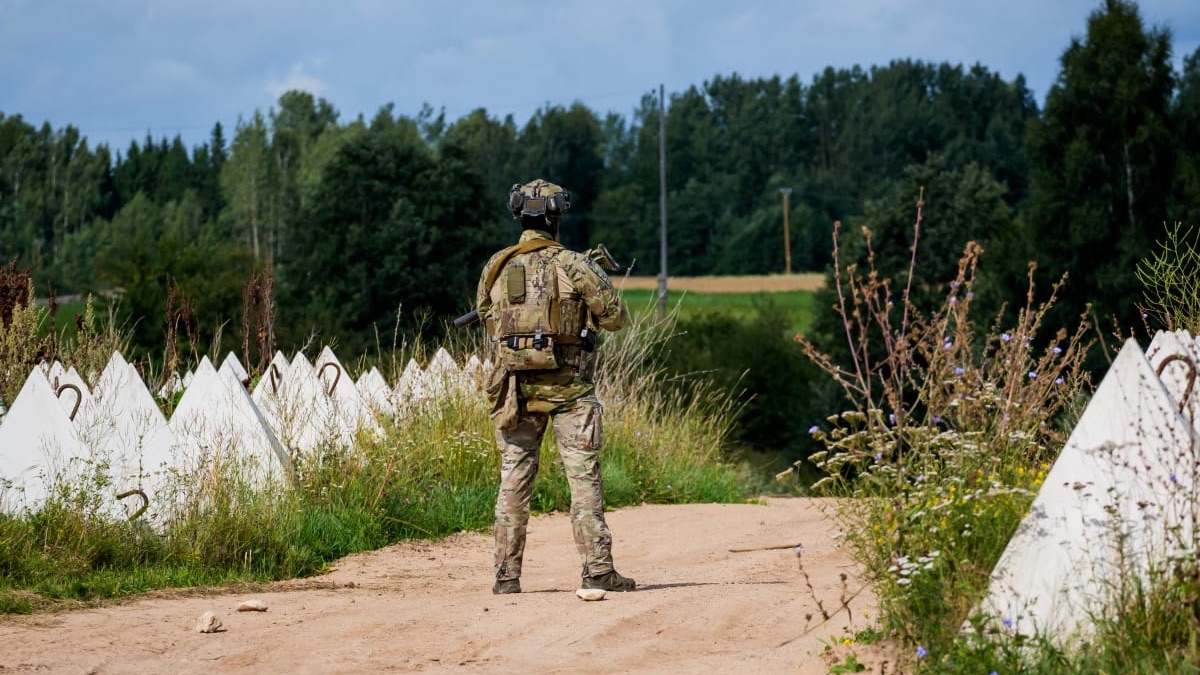
NATO said on Wednesday that it is prepared to “address any threat” and defend all allies, after reports emerged that Iran is considering attacking US military targets in Europe should President Donald Trump decide to escalate the war again.
“NATO is prepared to address any threat and would take necessary action to defend all its members,” an alliance official said.
The military alliance is “prepared to address any threat and will always do what is necessary to defend all allies,” the NATO official said, adding, “Our deterrence and defence posture is strong and effective.”
“As demonstrated earlier this year when NATO air defences successfully intercepted ballistic missiles heading to Türkiye from Iran on four separate occasions, our deterrence and defence posture is strong and effective,” the NATO official added.
In March, four suspected Iranian ballistic munitions heading toward Turkey were neutralised by NATO defences. Iran denied at the time that it had launched the missiles. Cyprus was also targeted by drone attacks in March.
What The Financial Times Report Says
Earlier in the day, the Financial Times reported that Iran has weighed attacking US military targets in Europe should Trump escalate the war, citing people close to the Iranian regime. According to the report, US assets in Bulgaria and Cyprus are said to be potential targets of Tehran’s attack.
Bulgaria had recently approved the use of its Bezmer airbase for US refuelling aircraft, while Cyprus hosts a British military base that was struck by a drone in March.
According to one of the sources, Iranian forces had also explored the possibility of attacking subsea fibre-optic cables in the Strait of Hormuz if the conflict widens. One source told the Financial Times that Tehran was preparing options to expand the conflict if Trump followed through on previous threats to attack Iranian infrastructure, saying, “Should the US go too far, Iran will defend itself at any price, go beyond the region and hit Europe too.”
The report came as negotiations over reopening the Strait of Hormuz remained stalled and prospects for renewed Tehran-Washington talks dimmed, with Trump saying on Tuesday that there were “no talks or conversations going on, or scheduled” with Tehran.
A 60-day memorandum of understanding signed in Islamabad has expired with no progress on negotiations to reopen the strait, and Iran’s Supreme Leader Mojtaba Khamenei last week appointed hardliners to top security and military posts. An Iranian attack on a US base in Jordan last month, which killed three American soldiers, was described by the sources as the most accurate long-range attack the regime has carried out, demonstrating its capacity to hit distant targets.
-

-
-

-