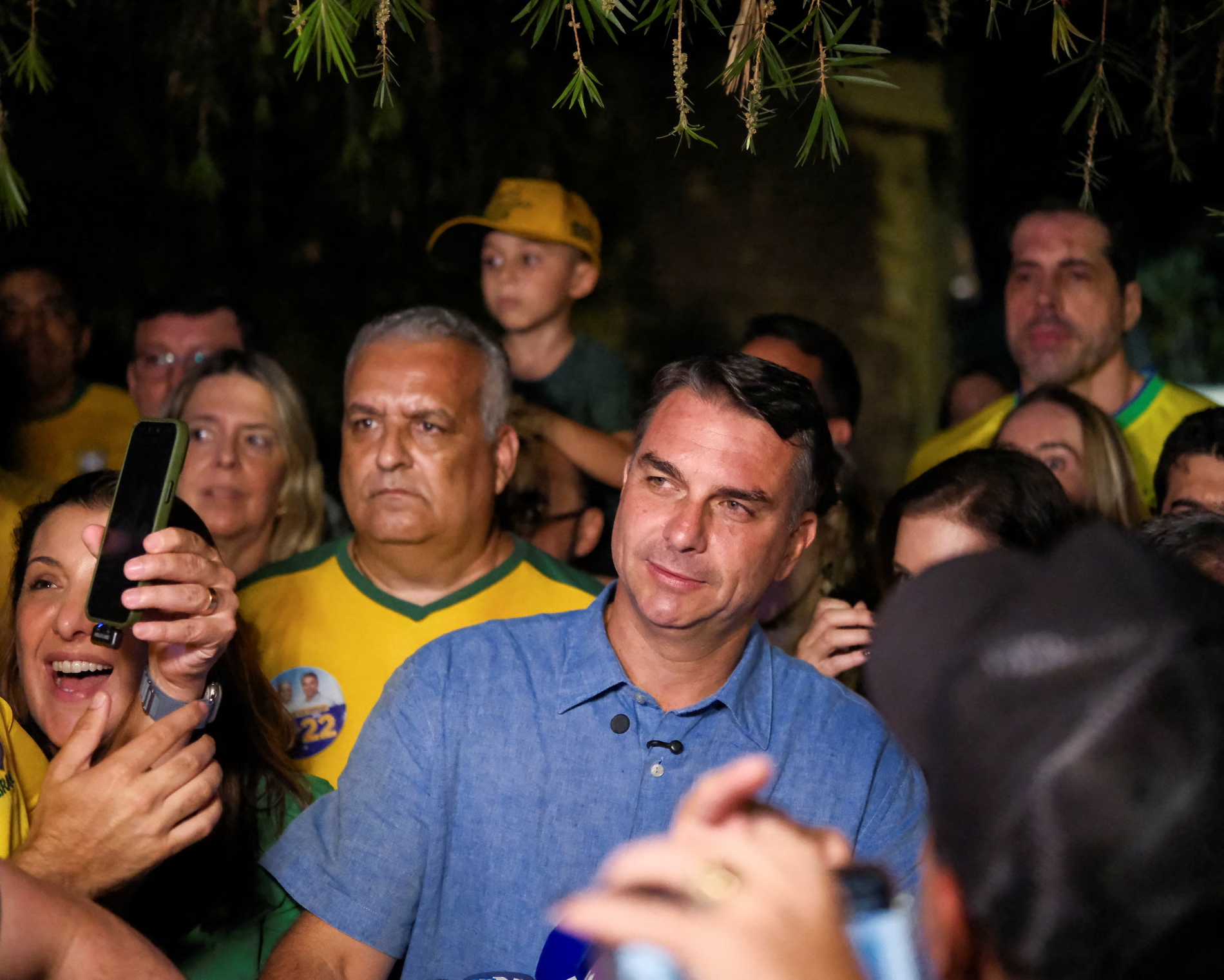
Flávio Bolsonaro has emerged as the frontrunner in Brazil’s presidential election after securing a surprise first-round victory over incumbent Luiz Inácio Lula da Silva.
The 45-year-old right-wing candidate received 56.1 million votes, or 47.03 percent, compared with Lula’s 53.8 million votes, or 45.16 percent. The result means the 80-year-old left-wing president faces a difficult challenge in the second round scheduled for 25 October. Since the return of democracy in 1985, no first-round runner-up has successfully overturned the result in a runoff.
Political scientist Miguel Lago assessed Lula’s prospects as limited, stating that while miracles are possible in politics, he did not see Flávio Bolsonaro losing the election.
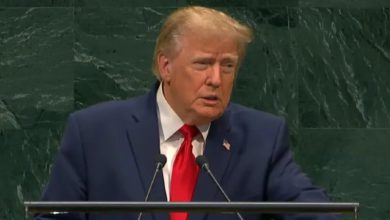
US President Donald Trump described the outcome as a big and amazing victory, while predicting a closely contested second round. Trump has long been an ally of the Bolsonaro family.
The result also strengthened the broader Bolsonaro political network. Four relatives of the former president were elected to Congress. Michelle Bolsonaro, the ex-president’s wife, and his son Carlos Bolsonaro won seats in the Senate. His youngest son, Jair Renan Bolsonaro, and his brother Renato Bolsonaro secured places in the lower house.
In key state races, Tarcísio de Freitas was re-elected governor of São Paulo and Sérgio Moro was elected governor of Paraná. Both had served as ministers in Jair Bolsonaro’s previous government. The Liberal Party will hold the largest caucus in the Senate with 28 of 81 seats. Combined with other hard-right parties, the bloc reaches 43 seats, giving it a majority.
Several prominent pro-Lula Senate candidates, including Marina Silva, Benedita da Silva and Simone Tebet, were defeated. Two young Bolsonaro-aligned lawmakers, Nikolas Ferreira and Lucas Pavanato, recorded the highest individual vote totals in Brazilian congressional history, each securing more than three million votes.
Jair Bolsonaro is currently serving a 27-year sentence related to an alleged coup plot after his 2022 election loss and is under house arrest. Analysts noted that a Senate majority could facilitate efforts toward an amnesty. His son Eduardo Bolsonaro, who is in the United States and was sentenced in absentia, is reported to be seeking a role as foreign minister if his brother wins.
Lula acknowledged the setback and said his campaign would relaunch with a clearer contrast between the two remaining candidates, focusing on differences in their proposals for the country. Votes from other right-wing candidates who together received more than 5.5 million ballots are expected to largely shift toward Flávio Bolsonaro in the runoff. Lula’s remaining path may depend on mobilising a portion of the roughly 33 million Brazilians who did not vote in the first round.