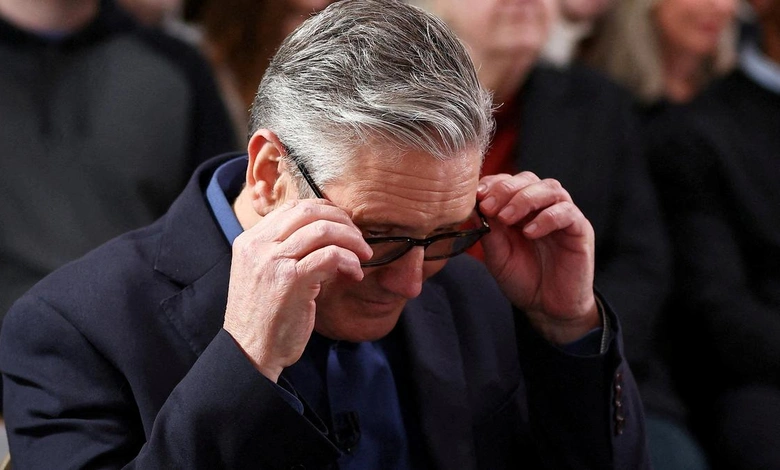
Sir Keir Starmer has firmly rejected calls to step down, declaring his intention to continue as prime minister and insisting he has triumphed in every major challenge throughout his career.
Addressing a tense meeting of the Parliamentary Labour Party on Monday evening, Starmer told Labour MPs he had no intention of abandoning his role. He emphasized that after years of effort to transform both the country and his party, he would not relinquish his mandate or risk plunging the nation into instability, as he accused others of having done in the past.
The prime minister highlighted his track record of success, pointing to his reforms at the Crown Prosecution Service to improve support for victims of violence against women and girls, as well as his efforts to reshape the Labour Party, enabling it to secure a landslide election victory. “People told me I couldn’t do it,” he said, adding that skeptics later conceded he might succeed—and ultimately, Labour won decisively. “Every fight I’ve been in, I have won,” Starmer asserted.
The gathering came amid ongoing controversy surrounding the appointment of Lord Mandelson as UK ambassador to the United States, with fresh disclosures emerging about the peer’s past connections to Jeffrey Epstein. Starmer acknowledged the decision as “wrong” and accepted full responsibility for it.
The crisis has triggered significant upheaval in Downing Street. Chief of staff Morgan McSweeney resigned on Sunday, stating he was taking accountability for advising the prime minister on the Mandelson appointment. McSweeney received praise from Starmer, who commended his dedication, loyalty, and role in revitalizing the party and winning the general election. Hours later, communications director Tim Allan also stepped down, citing a desire to enable the formation of a new team at Number 10.
ALSO READ : UK Prime Minister’s Chief Of Staff Morgan McSweeney Steps Down Amid Epstein-Mandelson Controversy
Pressure intensified when Scottish Labour leader Anas Sarwar publicly urged Starmer to resign, arguing that failures originating in Downing Street were harming Scotland and that the distractions needed to end through a change in leadership there.
Despite the challenges, the cabinet closed ranks behind the prime minister. Deputy Prime Minister David Lammy stressed the need to avoid distractions from Labour’s mission to transform Britain and expressed support for Starmer. Chancellor Rachel Reeves stated that with Starmer leading, the country was being turned around. Health Secretary Wes Streeting, sometimes seen as a potential rival, affirmed his backing, describing the government as a united team. He also released 14 months of WhatsApp and text messages with Lord Mandelson to demonstrate transparency.
Deputy Labour leader Lucy Powell reported strong attendance at the meeting, with dozens of MPs turning out to back Starmer.
Sky News political editor Beth Rigby observed that the prime minister appeared to be in a precarious position following Sarwar’s intervention, describing it as placing him in “the danger zone.”
-

-

-

-