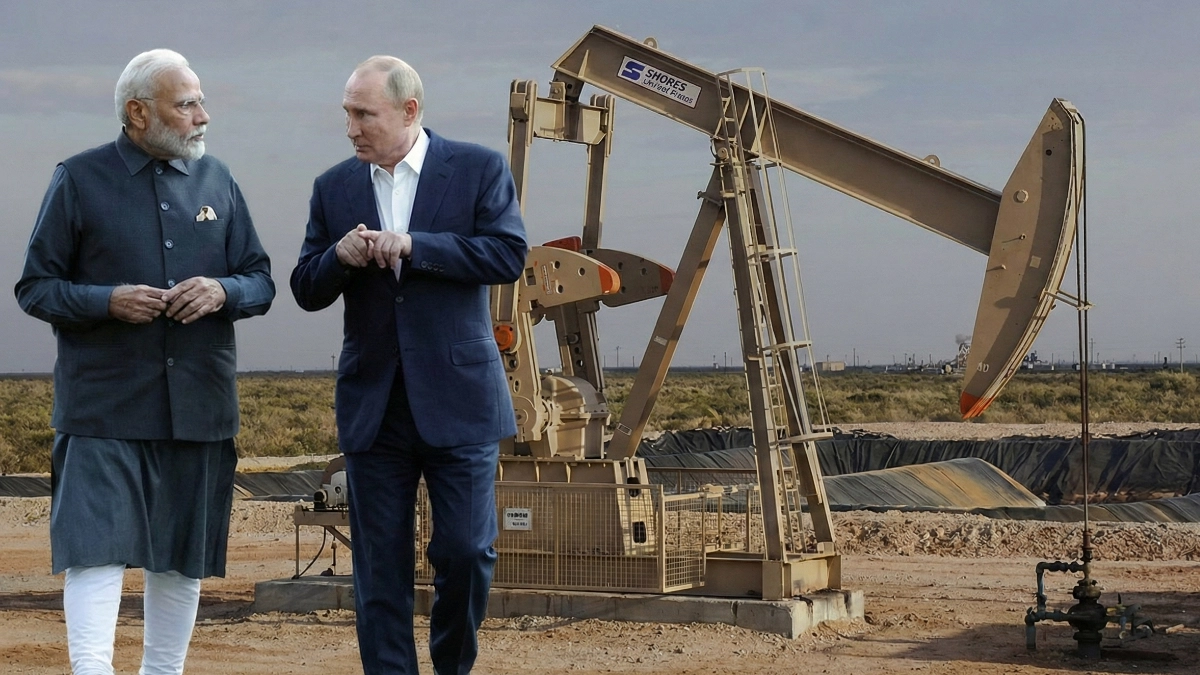
Russian crude exports have remained above pre-invasion levels despite four years of war and successive rounds of Western sanctions, according to a report released Tuesday, February 23, by the Centre for Research on Energy and Clean Air (CREA), a Finnish think tank.
The analysis found that crude export volumes in the fourth year of the conflict were still approximately six per cent higher than they were before Russia launched its full-scale invasion of Ukraine in February 2022. China, India, and Turkey together absorbed 93 per cent of Russian crude exports during the period studied.
Export Volumes Hold, But Revenues Take a Hit
Despite the resilience in shipment volumes, Russia’s earnings from crude exports told a different story. According to AFP, revenues fell 18 per cent to 85.5 billion euros in the 12 months leading up to February 24, while export volumes over the same period dropped six per cent to 215 million tonnes. The decline in earnings has been partly attributed to the discounts Russia has been compelled to offer buyers cuts that directly reduce the funds available to finance its war effort.
A key mechanism enabling continued exports has been Russia’s so-called “shadow fleet” older tankers with opaque ownership structures used to move oil outside the formal trading system, effectively bypassing restrictions imposed by the European Union, the United States, and the G7.
Sanctions Falling Short, Analyst Warns
CREA analyst and co-author of the study Isaac Levi acknowledged some progress from enforcement efforts. “We’ve seen a significant drop in Russian fossil fuel export earnings as a result of new measures and greater enforcement,” he said. However, Levi cautioned that “there are still significant loopholes and areas that have been unaddressed by sanctioning countries” that continue to allow large volumes of Russian crude to flow through global markets.
Also Read: Indian Community In Ireland Targeted In Online Racial Campaign
Among the vulnerabilities highlighted in the report are vessels operating under false flags and the re-export of refined fuels produced from Russian crude to countries that have themselves imposed sanctions on Moscow.
CREA Calls for Stricter Import Restrictions
To close these gaps, CREA is pushing for stronger action from sanctioning nations. “We propose a ban of imports from any refinery or storage terminal that has received a shipment of Russian oil in the previous six months,” Levi said.
The findings underscore the continued centrality of Asian buyers particularly India in sustaining Russia’s oil trade, even as Western governments tighten the pressure on Moscow’s energy revenues.
-
-

-

-