
Cheap $20,000 Drones Challenge $4 Million Patriot Missiles in Escalating Conflict
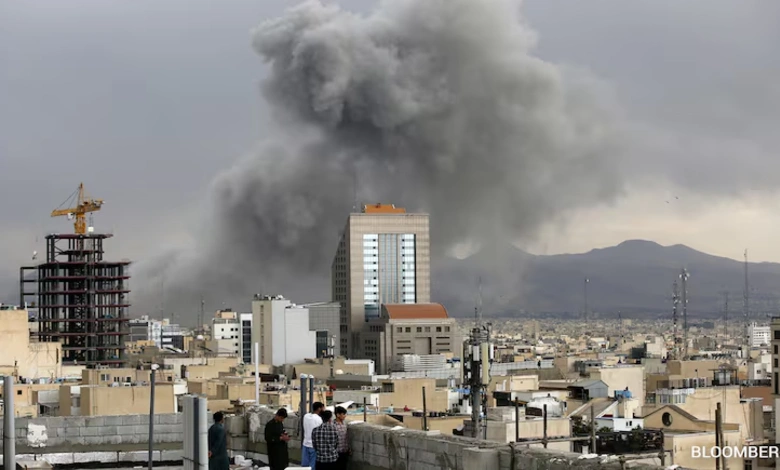
The ongoing war involving the United States, Israel, and Iran has rapidly shifted into a prolonged battle of attrition, where the ability to sustain munitions supplies may ultimately decide the victor.
Just days after joint US-Israeli airstrikes struck Iranian facilities—reportedly killing Supreme Leader Ali Khamenei—Iran has countered with repeated barrages of inexpensive Shahed-136 drones. These simple, one-way attack vehicles, functioning like basic cruise missiles, have targeted US military installations, oil facilities, and civilian areas throughout the Middle East, reaching locations from Bahrain to the United Arab Emirates.
Patriot air-defense systems, produced in the US and operated by American troops as well as allied forces in the region, have demonstrated strong performance. According to UAE assessments, interception success against the Shahed drones and Iranian ballistic missiles exceeds 90%. Yet the economic mismatch remains stark: each Patriot interceptor missile carries a price tag of roughly $4 million, compared to about $20,000 for an Iranian Shahed drone. This disparity mirrors issues that emerged early in the Ukraine conflict, where low-cost weapons compel defenders to expend far more valuable systems originally built for advanced threats.
The pattern risks quickly exhausting interceptor reserves. An internal analysis reviewed by Bloomberg News indicated that Qatar’s Patriot stocks could sustain the current pace for only around four days, although Qatar’s International Media Office countered that its supplies remain sufficient and well-maintained. Lockheed Martin data shows that production of the advanced PAC-3 interceptors totaled approximately 600 units in 2025. Given the volume of reported intercepts since the weekend escalation, thousands of these missiles have likely already been expended across the theater.



Iran, by contrast, appears to possess a sizable stockpile of drones, possibly augmented by production capabilities demonstrated by allies like Russia, which can output hundreds daily. Since the current round of fighting began, Tehran has launched more than 1,200 projectiles, with a significant portion—likely the majority—consisting of Shahed drones. Analysts suggest this approach conserves more destructive ballistic missiles for extended operations. Previous estimates placed Iran’s ballistic missile inventory at roughly 2,000 following earlier confrontations.
ALSO READ : 38 Indian Ships Trapped in Persian Gulf Amid West Asia Tensions
Kelly Grieco, a senior fellow at the Stimson Center, observed that Iran’s attrition-focused tactics are strategically sound, as they aim to deplete defenders’ interceptors while eroding political support among Gulf nations, potentially pressuring Washington and Jerusalem to halt operations. Becca Wasser, defense lead at Bloomberg Economics, noted that Iran is probably reserving heavier assets for more intense, sustained barrages.
On the offensive front, US and Israeli operations have damaged Iranian missile launchers—Israel claims to have destroyed about 150—and disrupted production and command networks. Israeli Minister Eli Cohen told Army Radio that the campaign seeks air dominance and reduced launches toward Israel. Iran’s military appears to function with considerable autonomy from civilian authorities, as Foreign Minister Abbas Araghchi explained to Al Jazeera, describing units as operating under broad pre-set directives.
Iran’s own air defenses, including Russian-supplied S-300 systems, sustained major damage in the war’s initial phase, leaving US and Israeli aircraft largely unopposed over Iranian territory. Alternative defensive measures, such as fighter jet patrols employing lower-cost precision munitions or emerging technologies like Israel’s Iron Beam laser, have seen limited application in this conflict so far.
As the fighting continues in its opening phase, both sides confront the prospect of munitions shortages. The side that better manages resupply and endurance stands to gain the upper hand in this demanding test of resources and resolve.