
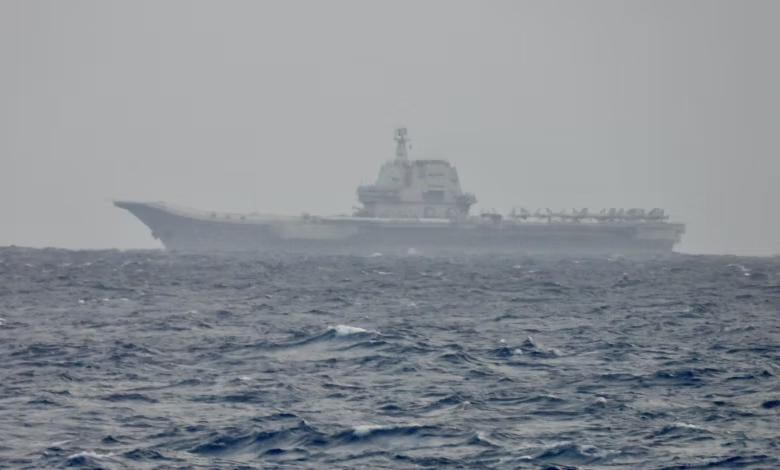
The escalating West Asia crisis has trapped 38 Indian-flagged vessels largely tankers laden with crude oil and liquefied natural gas (LNG) in the Persian Gulf, carrying nearly 1,100 Indian seafarers. The standoff arises from intensified military tensions disrupting key maritime passages, particularly the Strait of Hormuz.
The Directorate General of Shipping (DG Shipping) reports no confirmed casualties, detentions, or boardings on Indian-flagged ships to date. However, four separate incidents have affected Indian crew members on foreign-flagged vessels near the Oman coast, claiming the lives of three sailors and injuring one.
As the world’s third-largest supplier of seafarers trailing only the Philippines and China India has roughly 23,000 mariners active in the conflict zone at any moment. Safeguarding their well-being remains a core government priority.
On Tuesday, Union Shipping Minister Sarbananda Sonowal led a senior-level review, directing DG Shipping and other officials to bolster protections for Indian crew and maritime assets. Updates to the ministry indicated 24 vessels immobilized west of the Strait of Hormuz and 14 positioned to the east.



ALSO READ : US Embassy in Dubai Struck Amid Relentless US-Israeli Assaults
The wider fallout includes damage to at least five tankers since hostilities escalated, alongside approximately 150 ships stalled in the vicinity of the strait. Several major container carriers have paused calls at West Asian ports for safety, redirecting long-distance services around the Cape of Good Hope. This rerouting lengthens voyages, inflates expenses, and worsens bottlenecks at Indian ports, where about 1,000 containers now face delays.
Sunil Vaswani, executive director of the Container Shipping Lines Association (India), explained that while services to distant markets like the US, Europe, and the Mediterranean remain operational, the pivot to extended routes increases costs and strains capacity. Gulf-bound cargo is increasingly discharged at alternate hubs such as Fujairah, Sohar, or Khor Fakkan before onward overland movement. Exporters, including supplier Sanjay Pansare, highlighted specific hardships, with around 150 containers holding perishables bananas, pomegranates, watermelons, and onions currently held up by the disruptions.