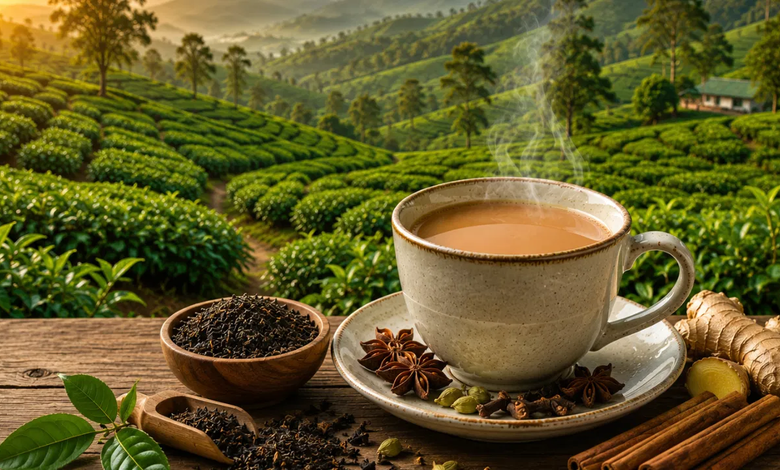
Originating from centuries of cultural tradition, tea has become an indispensable part of daily life, whether used as a soothing remedy or a quick mood reset. However, its utility extends far beyond a morning routine paired with a newspaper. To celebrate International Tea Day, here are six innovative ways to use tea leaves in cooking:
1. Enhancing Colors in Rich Curries
A common practice in many Indian households, tea leaves are used to impart a deep, rich color to traditional dishes. They are typically tied into a potli (a small spice pouch) and dropped into boiling chickpeas (chole). In several regional cuisines, tea-infused water serves as the base for rajma (kidney bean curry) and other gravies, lending a beautiful dark hue that pairs perfectly with steamed rice.
2. The Star of Vibrant Salads
Using tea leaves as a salad ingredient might surprise some, but Burmese tradition has embraced this concept wholeheartedly. Known as Lahpet Thoke (Burmese Tea Leaf Salad), this beloved dish features fermented tea leaves tossed with roasted peanuts, fried beans, sesame seeds, toasted garlic, and chilies, creating a unique balance of earthy, bitter, and savory flavors.
3. Elevating Desserts and Baked Goods
Tea leaves make a spectacular appearance in the world of pastry, adding distinct aroma and flavor complexity. Matcha, a finely powdered green tea, has taken the culinary world by storm and is widely used in cakes, cookies, brownies, cheesecakes, and ice creams to balance sweetness with its signature pleasant bitterness. Meanwhile, black tea is frequently infused into milk or cream to create sophisticated custards, puddings, and mousses.
4. Infusing Grains and Noodles
The culinary application of tea leaves extends to grains and starches. Jasmine and green teas are incredibly popular in East Asian cuisines for infusing rice, noodles, and ancient grains. Cooking grains in brewed tea adds an elegant, floral depth that subtly elevates the entire recipe.
5. Creating Glazes and Marinades
According to culinary experts, brewed tea works beautifully as a base for marinades, sauces, and glazes. Chefs frequently combine robust teas with herbs, garlic, soy sauce, and honey to create complex marinades for vegetables, tofu, seafood, and meats. The natural tannins in tea also act as a gentle tenderizer for proteins.
6. Building Complex Soups and Broths
Bridging the gap between a beverage and a meal, tea leaves excel in savory liquids. Prized for their refreshing and cleansing qualities, specific green, oolong, and black teas are used to create aromatic, tea-infused broths. These serve as the foundational base for delicate Asian soups, noodle bowls, and comforting one-pot meals.
-

-

-

-