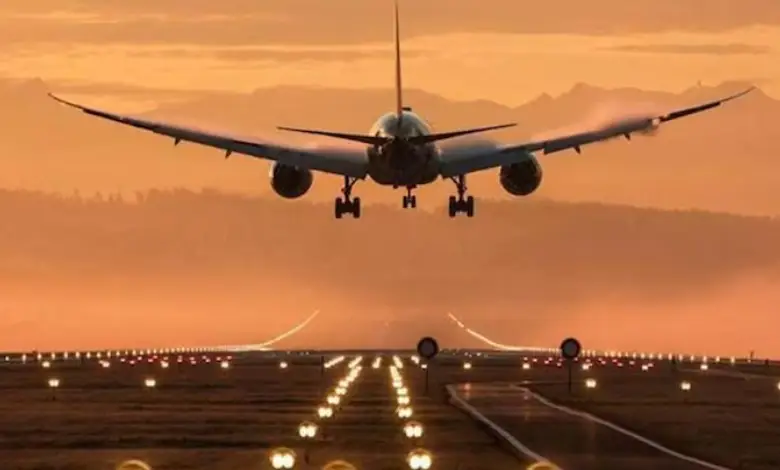
New Delhi: India is holding talks with China to explore an alternate air route for Indian airlines, as the continuing Pakistan airspace ban makes flights to Europe and the United States longer and more expensive. The discussions are focused on the use of Xinjiang airspace.
Sources said the Ministry of External Affairs is engaging with Chinese counterparts on alternate routes, and that talks to route flights via Hotan in western China have been on for over a year.
Pakistan airspace closure
Pakistan’s airspace has remained shut to India since April 2025. As a result, airlines have had to divert some westbound flights over the Arabian Sea, adding to flying time, fuel consumption and crew costs. Long-haul flights have been among the most affected, making the search for alternative routing options an important consideration.
Direct flights resume between India and China
Ahead of Chinese President Xi Jinping’s arrival in New Delhi for the BRICS Summit, China Southern Airlines announced that it will resume direct flights between Guangzhou and New Delhi from September 21, restoring a route that had been suspended for six years. The move is part of a broader restoration of direct air links between the two countries, which were disrupted by the Covid-19 pandemic and subsequent tensions along the India-China border. China Southern said it will operate more than 100 weekly flights across eight round-trip routes in South Asia.
IndiGo was the first Indian airline to resume India-China connectivity. It restarted direct flights in October 2025 with services between Kolkata and Guangzhou, followed by Delhi-Guangzhou in November. Air India resumed direct flights between Delhi and Shanghai on February 1, ending a nearly six-year gap in services to China, and increased the frequency to five flights a week from March 29.
Improving India-China ties
The talks are taking place as India-China ties improve after the tensions caused by the 2020 border standoff. Speaking at an Asia Society event in New York on Monday, External Affairs Minister S Jaishankar said the Delhi-Beijing relationship was in a better position than it had been in recent years.
“If you asked me, compared to where you were in 2025, is the relationship better today? I would say yes. Compared to 2024, even more so,” he said. Jaishankar said the improvement was a recovery from a relationship that had gone “so much off-track”.
-
-

-

-