
Supreme Court Makes It Easier For Lift Accident Victims To Get Compensation In Landmark Ruling
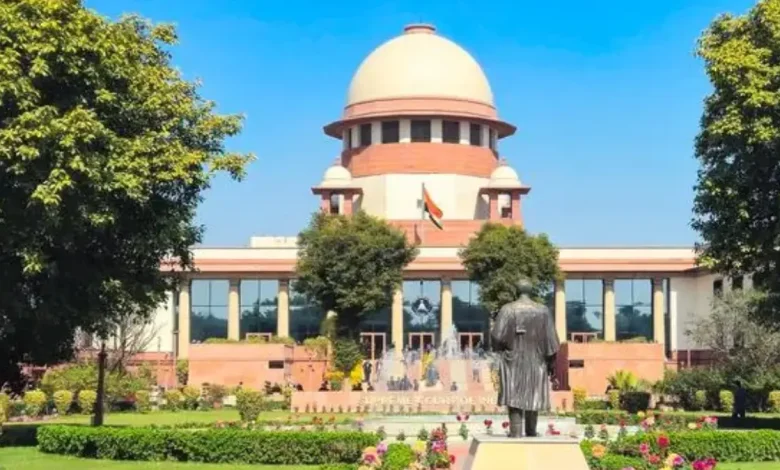
New Delhi: In a landmark judgment aimed at strengthening the rights of accident victims, the Supreme Court has ruled that people injured in lift accidents or the families of those who lose their lives do not have to figure out who was primarily at fault before claiming compensation.
The court said that if more than one party is found legally responsible for a lift accident, the victim can recover the entire compensation from any one of them. It will then be up to the companies or individuals held liable to resolve how the financial burden is shared among themselves.
The ruling came while the apex court was hearing a case related to the death of a Research and Analysis Wing (RAW) officer in a lift accident. The case raised important questions about the responsibilities of lift manufacturers, maintenance agencies and others involved in ensuring elevator safety.
Explaining its reasoning, the Supreme Court observed that expecting victims or their families to determine exactly who was negligent is unrealistic. Such technical disputes, the bench said, should not delay compensation for those who have already suffered because of an accident.



The judgment places significant responsibility on lift manufacturers and maintenance agencies, noting that elevators are machines used by thousands of people every day and even a small lapse in safety can have devastating consequences. The court stressed that companies involved in manufacturing, installing and maintaining lifts are expected to exercise a high degree of care and ensure that safety standards are strictly followed.
Legal experts say the ruling is likely to have far reaching implications for future cases involving lift accidents in apartment complexes, office buildings, hospitals, malls and other public places. By allowing victims to seek compensation from any one of the liable parties, the court has removed a major legal hurdle that often prolonged compensation claims.
The verdict is also expected to encourage building owners, housing societies, manufacturers and maintenance contractors to be more vigilant about regular inspections and timely servicing of elevators. Any failure to maintain lifts properly could now lead to greater legal and financial accountability.
The judgment reinforces a broader principle followed by the Supreme Court in compensation cases that victims should receive timely justice without being forced into lengthy legal battles over who was more responsible. Questions of liability between companies can be settled later, the court said, but compensation to victims should not be held up.
The decision is being seen as an important step towards improving public safety and making the compensation process simpler and more victim friendly, especially at a time when lifts have become an essential part of daily life in residential and commercial buildings across the country.
ALSO READ: Pellet Guns In Protests : SC Seeks Delhi Police SOP, Centre’s Response