
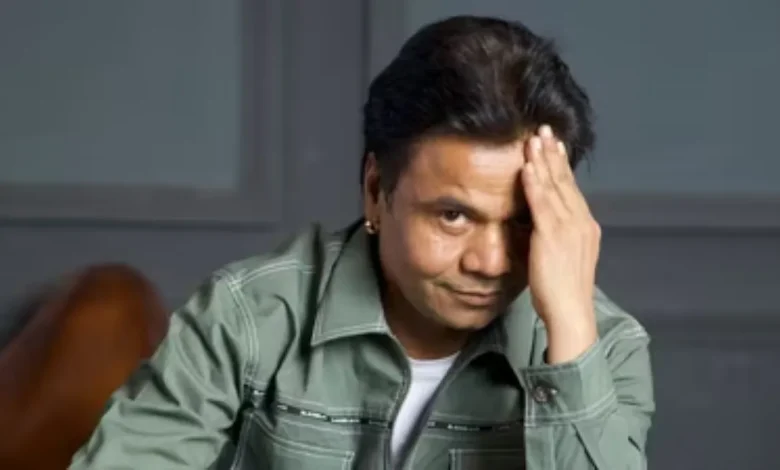
The Delhi High Court has upheld the conviction of Bollywood actor Rajpal Yadav in a case involving a dishonoured cheque, while reducing the sentence of imprisonment from six months to three months.
A single-judge bench led by Justice Swarana Kanta Sharma rejected the actor’s request for probation under the Probation of Offenders Act. The court noted that Yadav’s conduct during the legal proceedings did not warrant such leniency. According to the judgment, the actor had provided several undertakings promising to clear the dues but failed to fulfil them despite being given multiple opportunities.
The high court declined to interfere with the conviction recorded by the trial court but modified the sentence partially. It observed that a reduced term of three months would meet the ends of justice in the matter. However, the court stayed the operation of its order for two months, allowing Yadav time to challenge the verdict before a higher forum if he chooses to do so.
This development brings a partial relief to the veteran comedian, known for his distinctive roles in numerous Hindi films, while confirming the legal finding of guilt in the financial dispute that led to the case. Cheque bounce cases under the Negotiable Instruments Act are common in India and often result in criminal proceedings when payments are not honoured, serving both as a deterrent and a mechanism for recovery of dues.




ALSO READ : Salman Khan’s Million-Dollar Post For Rajpal Yadav Leaves Internet Buzzing After Awards Show Jab
The ruling underscores the judiciary’s approach in balancing accountability for financial obligations with considerations of proportionality in sentencing. By upholding the conviction but shortening the jail term, the court appears to have taken into account the specifics of the case without overlooking the actor’s repeated non-compliance with assurances given to the court.
Legal experts often point out that such matters highlight the importance of honouring financial commitments and court directives. For public figures, these cases also draw attention to the principle that no one is above the law, regardless of professional stature.
Yadav, who has appeared in scores of films over the decades, continues to maintain a presence in the entertainment industry. The outcome of this long-running legal battle may now depend on whether he exercises the option to appeal further within the stipulated period.