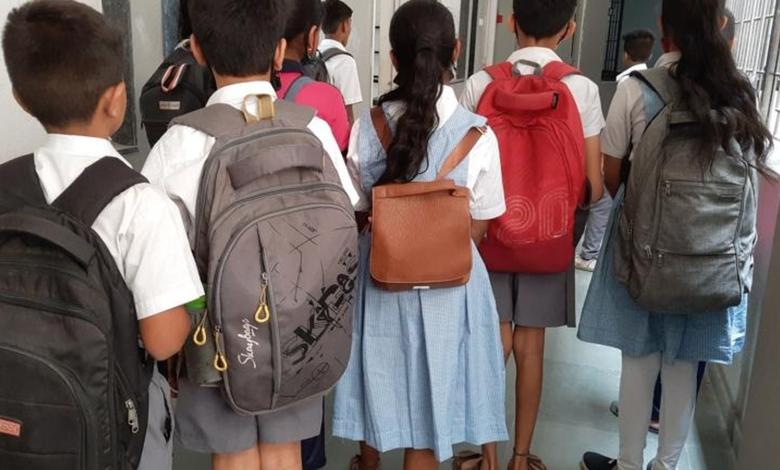
Mumbai : In a landmark move to promote fairness and consistency, Maharashtra has mandated that all CBSE-affiliated schools —whether aided, unaided, minority-run, or municipal—must now strictly observe the academic holiday calendars approved by district education officers. This policy brings an end to the long-standing patchwork of vacation schedules that often left parents, students, and staff confused and frustrated.
For years, some CBSE institutions in the state shortened summer breaks, skipped festival holidays declared locally, or operated on their own timelines, creating stark inequalities even within the same city or district. Complaints poured in from parents whose children in different schools enjoyed mismatched vacations, making family planning a nightmare. Teachers and support staff, too, felt shortchanged when legitimate breaks were denied despite official notifications.
The turning point came through persistent advocacy by the CBSE School Staff Welfare Association (SISWA), which highlighted how certain managements disregarded state guidelines, overburdening employees. After SISWA escalated the matter to both state and central authorities, district education officers convened discussions with stakeholders. The outcome: government-approved holiday lists are now binding across the board for CBSE schools in each district.
These calendars factor in regional climate, cultural events, and local needs. For the upcoming 2026–27 academic year, authorities have already locked in extended breaks, including 10 days each for Diwali and Christmas vacations—ensuring ample time for family celebrations and rest. Summer vacations, Diwali festivities, and winter holidays will align uniformly, tailored to Maharashtra’s diverse conditions.
Schools keep flexibility in day-to-day scheduling and internal activities, but they can no longer override state-declared academic holidays. Officials emphasize that the goal is equity: no more scenarios where CBSE students attend classes while peers in state-board schools enjoy a break.
This reform echoes similar efforts elsewhere, such as in Delhi, where the Directorate of Education requires schools to submit affidavits pledging a fixed number of teaching days and pre-approved calendars, with strict accountability for changes.
In Maharashtra, the new rule promises smoother operations, reduced disputes, and a more predictable routine for millions of students and educators. Parents are advised to watch for their district’s official calendar release to plan ahead confidently.
The shift signals a broader commitment to balanced education—prioritizing well-being alongside academics in an increasingly standardized system.
Also read : Mumbai Local News : 325 New ATVMs To Be Installed On Western Railway To avoid Long Queues
-
-

-

-