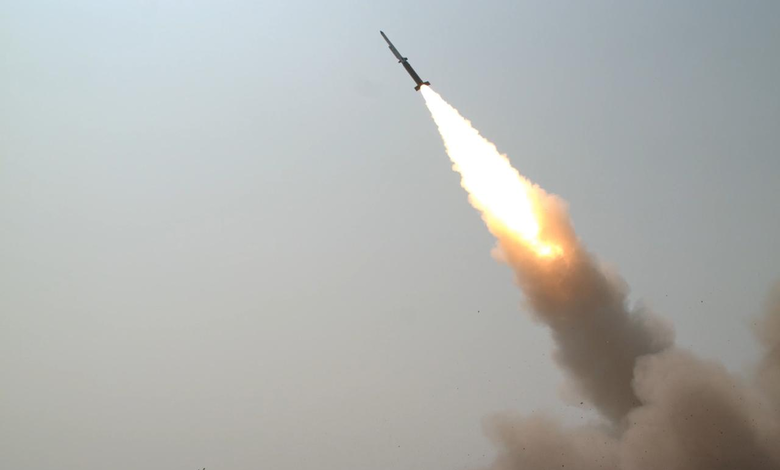
Chandipur : On February 03, 2026 at 10:45 hrs DRDO successfully conducted a demonstration of Solid Fuel Ducted Ramjet (SFDR) technology via Integrated Test Range (ITS) performed at Chandipur off the coast of Odisha.
This launch marks a significant move for India as it paved the way for Indians to enter into the elite club of nations who have this technology of enabling long range air to air missiles giving tactical edge over the rivals.
After being propelled by a ground booster motor to the desired Mach Number, it was noticed that all the subsystems from Nozzle-less Booster, Fuel Flow Controller and Solid Fuel Ducted Ramjet Motor performed exactly as expected.
Solid Fuel Ducted Ramjet (SFDR) technology was successfully flight tested from the Integrated Test Range (ITR), Chandipur off the coast of Odisha today. SFDR is very crucial for development of long range Air to Air Missiles pic.twitter.com/66ZwE0micY
— DRDO (@DRDO_India) February 3, 2026
What is SDRF technology?
Solid Fuel Ducted Ramjet (SFDR) is a cutting-edge missile propulsion technology that allows missiles to “breathe” air. Unlike traditional rockets that carry a heavy internal oxidizer, SFDR uses a ramjet engine to scoop up oxygen from the atmosphere during flight. This makes the missile lighter, faster, and capable of maintaining Mach 3+ supersonic speeds over long ranges (up to 350 km). Crucially, SFDR features thrust modulation, allowing the missile to “throttle up” during the final attack phase. This ensures high maneuverability, creating a “no-escape zone” for even the most agile enemy fighter jets.
Through flight data captured by an instrument by ITR the performance of the system was determined. Senior Scientists from various labs such as Defence Research & Development Laboratory, High Energy Materials Research Laboratory, Research Centre Imarat and ITR of DRDO kept monitoring the launch.
Defense Minister, Rajnath Singh congratulated the team on successful demonstration of SDRF technology.
Also read : 8 Congress MPs Suspended In Lok Sabha Amid Chaos Over Ex-army Chief Naravane’s Memoir
-

-

-
-