
Six days into the Iran war, the conflict shows no sign of abating. On Wednesday, a ballistic missile fired from Iran and intercepted by NATO air and missile defence systems was destroyed over the eastern Mediterranean after it entered Turkish airspace. Saudi Arabia, meanwhile, reported intercepting yet another drone attack originating from Tehran.
Tensions across West Asia remain dangerously elevated, with growing alarm over the war’s spillover into the Strait of Hormuz one of the world’s most vital energy chokepoints. As oil prices surge, India is bracing for an indirect economic hit, with several everyday essentials likely to become more expensive for ordinary consumers.
Petrol and Diesel

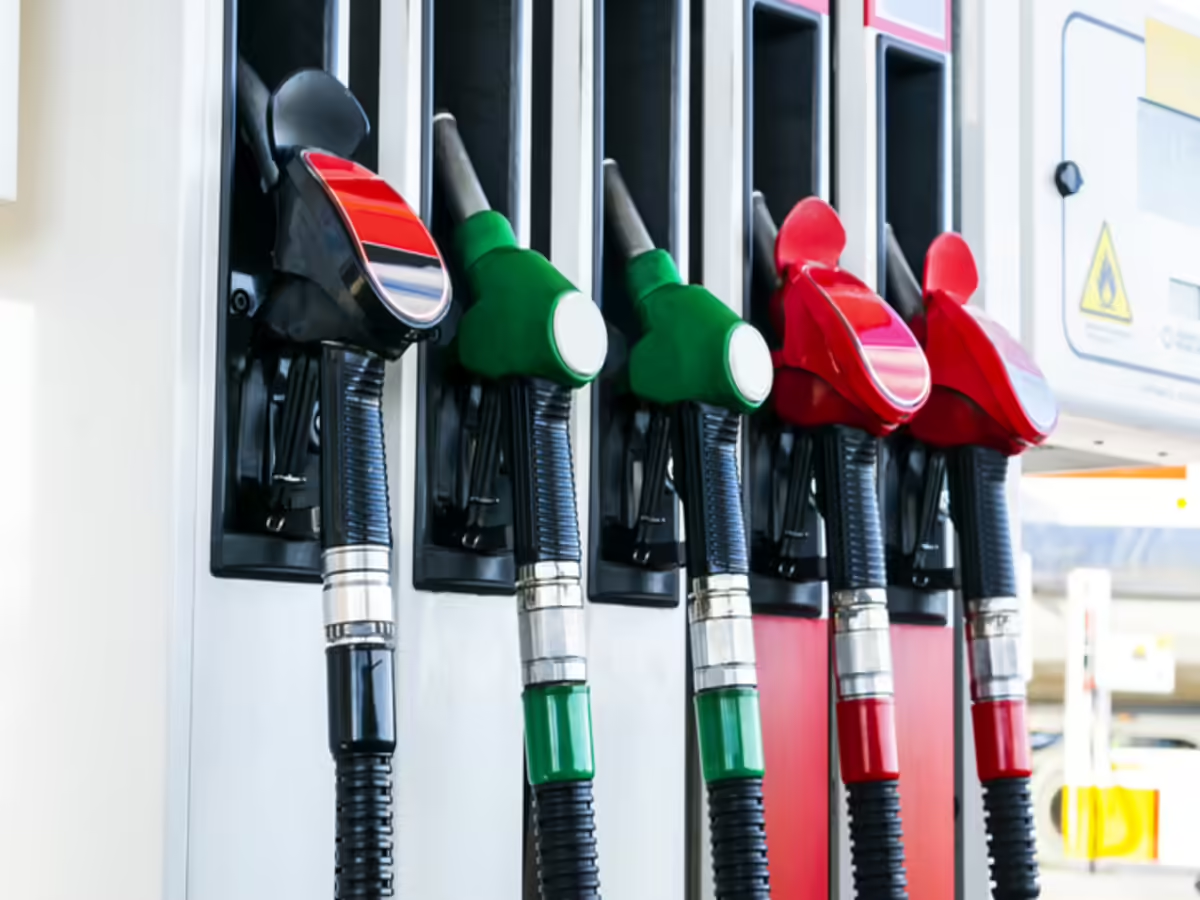
Iran’s move to choke off the Strait of Hormuz through which roughly one-fifth of the world’s crude oil and significant liquefied natural gas (LNG) supplies pass has already sent global oil prices sharply higher. Iranian strikes on oil infrastructure in the region, including a hit on the Ras Tanura refinery in Saudi Arabia that forced a temporary closure, have further rattled markets.
Since last Friday, oil prices have climbed nearly 20 per cent. Brent crude, the international benchmark, was trading at $83.07 per barrel on Wednesday. Given that India meets 88 per cent of its crude oil demand through imports, the pressure on domestic fuel prices is real though, for now, a PTI report indicates retail petrol and diesel prices are not expected to be revised upward immediately.
Also Read: India Strongly Rejects Claims of US Using Its Ports for Strikes on Iran
Should the Strait of Hormuz remain blocked, India has an alternative shipping route via the Cape of Good Hope but that comes at a cost: longer transit times, higher freight charges, and steeper insurance premiums.
Edible Oil


Cooking oil prices are also under pressure. BV Mehta, Executive Director of the Solvent Extractors’ Association of India (SEA), told Businessline that India is heavily import-dependent for edible oils. Palm oil comes largely from Indonesia and Malaysia; soybean oil from Argentina, Brazil, and the US; and sunflower oil from Russia and Ukraine. A significant share of these shipments pass through the Strait of Hormuz and the Suez Canal.
Any sustained disruption along these maritime routes could affect supply continuity and trigger short-term price volatility, particularly for sunflower oil. Rising crude prices are also pushing up freight and insurance costs, which in turn raises the landed cost of imported edible oils.
Prices have already started to move. Department of Consumer Affairs data showed that the all-India average retail price of sunflower oil, soybean oil, and palm oil in packed form rose by Rs 1–3 per kg on March 3, compared to the previous day.
Vegetables, Pulses and Dry Fruits

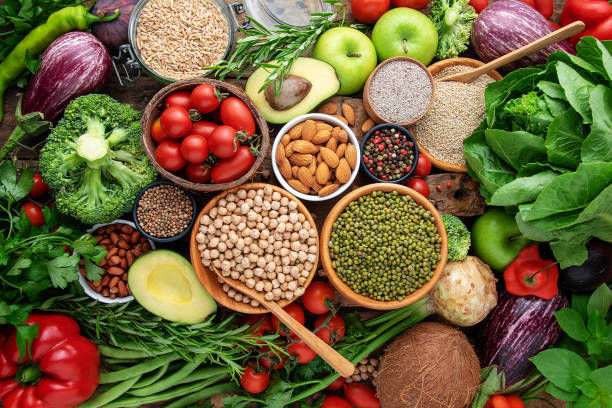
Everyday food staples are not immune either. Suresh Agarwal, president of the All India Dal Mill Association, told the Economic Times: “If the war continues beyond a week, the price of pulses will increase.” India imports five to six million tonnes of pulses annually including tur, urad, and other lentils from Myanmar, Canada, and Africa. A spike in logistics costs will directly affect their landing prices.
Vegetable prices are also expected to climb, as are the prices of nuts and dried fruits. India imports figs, almonds, pistachios, raisins, saffron, and apricots from Iran and Afghanistan both of which are now engulfed in conflict. Iran is at war with the US and Israel, while Afghanistan is in battle with Pakistan.
Vijay Bhuta, president of the Mumbai Dryfruit and Date Merchants Association, told the Times of India: “Supplies of dry fruit and nuts may be entirely halted in the coming future. Already, dispatches from Afghanistan are being routed through Iran’s port since direct shipments via the Wagah Border in Amritsar were halted in the wake of the India-Pakistan conflict. The closure of this lone Iranian route will choke off arrivals completely.”
Fertilisers and Farm Equipment


West Asian fertiliser exports are facing disruption due to the ongoing conflict, according to MarketWatch. With oil and gas prices rising, farm equipment is also becoming more expensive to operate, which could push up agricultural production costs and, eventually, food prices.
Airfares and Travel Costs


The war has effectively cleared the skies over West Asia, forcing airlines into costly rerouting decisions. With Israel and the US conducting repeated strikes on Iran and Tehran responding with waves of missiles and drones carriers have steered their aircraft well away from Gulf airspace to avoid the risk of a catastrophic incident.
As of March 3, Flightradar24 recorded 12,300 flight cancellations, including at major transit hubs such as Dubai and Doha. Aviation experts warn that longer flight routes and airspace disruptions will inflate airline operating costs. Higher fuel burn and rising insurance premiums are likely to translate into more expensive tickets. International flights, particularly to Europe and West Asia, may soon cost Indian travellers significantly more.
Plastics

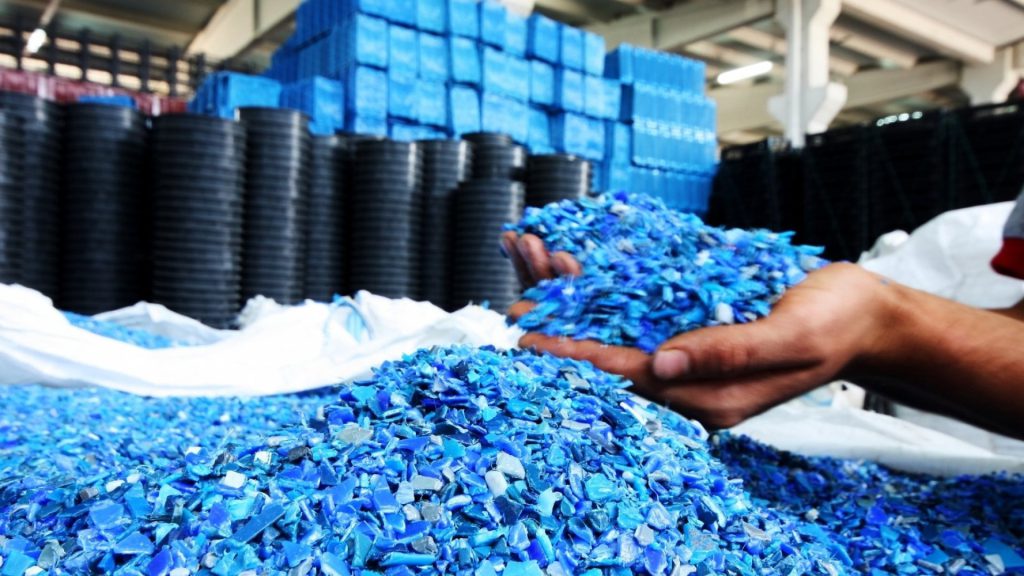
Plastic products are also set to get pricier, given their dependence on crude oil as a raw material. Plastic granules derived directly from crude have already risen by up to 12 per cent in just two days. The ripple effect is expected to push up the cost of plastic-based goods across multiple industries.
Pharmaceuticals


India’s pharmaceutical sector is not shielded from the disruption either. While India relies on China for many active pharmaceutical ingredients (APIs), it depends significantly on Europe for high-end key starting materials (KSMs) and specialty chemicals. “Potential delays in these imports can stall the production of complex generics and value-added medicines,” an industry insider told Moneycontrol.
A weakening rupee, combined with rising crude prices, is also expected to drive up costs of petrochemical-derived solvents and chemical intermediates both essential inputs in drug manufacturing.
All told, the Iran war is shaping up to be a costly affair for India, with its economic impact felt well beyond the battlefield.
With inputs from agencies
-

-

-

-