
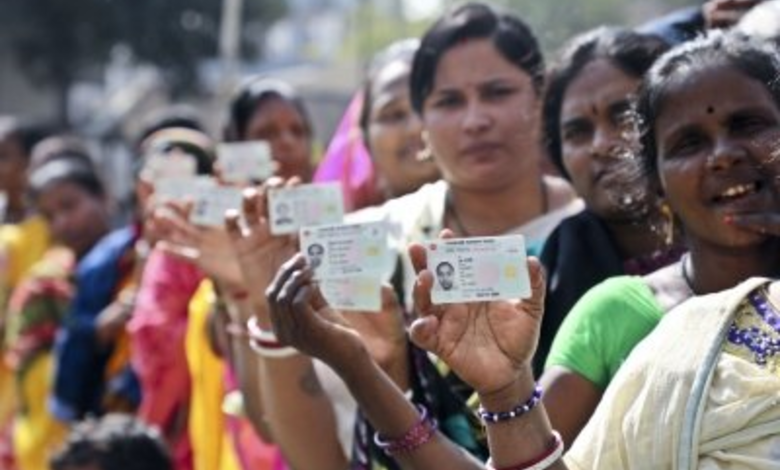
Ahmedabad: The long-awaited Gujarat local body election schedule is finally out. The State Election Commission announced the poll dates at a press conference in Gandhinagar on Wednesday (April 1, 2026), covering 15 municipal corporations (excluding Junagadh and Gandhinagar), 34 district panchayats, and 260 taluka panchayats. Voting will be held on April 26, 2026, with vote counting on April 28. The elections will also see a fresh rotation of OBC (Other Backward Classes) reservation seats.
Elections at a Glance
The polls will cover 15 municipal corporations, 34 district panchayats, 260 taluka panchayats (including 17 newly formed ones), and 84 municipalities. A total of 4,18,91,700 voters are registered to participate. The Model Code of Conduct came into effect from today.
Full Election Schedule
Notification issuance: April 6, 2026. Last date to file nomination forms: April 11. Scrutiny of nominations: April 13. Last date for withdrawal of candidature: April 15. Polling date: April 26, 2026. Counting and results: April 28, 2026.


First Corporation Elections in 8 Newly Upgraded Cities
Eight municipalities recently elevated to municipal corporation status by the state government will hold their first-ever corporation-level elections. These cities are Anand-Karamsad, Gandhidham, Mehsana, Morbi, Nadiad, Navsari, Porbandar, Surendranagar, and Vapi. Following the administrative restructuring, this will be the first major political test for these newly formed corporations, and the entire state is watching closely.
New OBC Reservation Rotation
A key feature of these elections is the fresh rotation of OBC reservation seats, implemented following recommendations from the Zaveri Commission report. Under the new provisions, 7 district panchayat president seats have been reserved for OBC candidates. These revised caste-based reservation equations are expected to force political parties to rethink and redraw their electoral strategies.
End of Administrator Rule
Several district and taluka panchayats had already completed their terms, but elections were delayed due to unresolved issues around delimitation and reservation. Administrators have been running these bodies in the interim. With today’s announcement, the Model Code of Conduct kicks in statewide, clearing the path for the democratic election of new public representatives.