
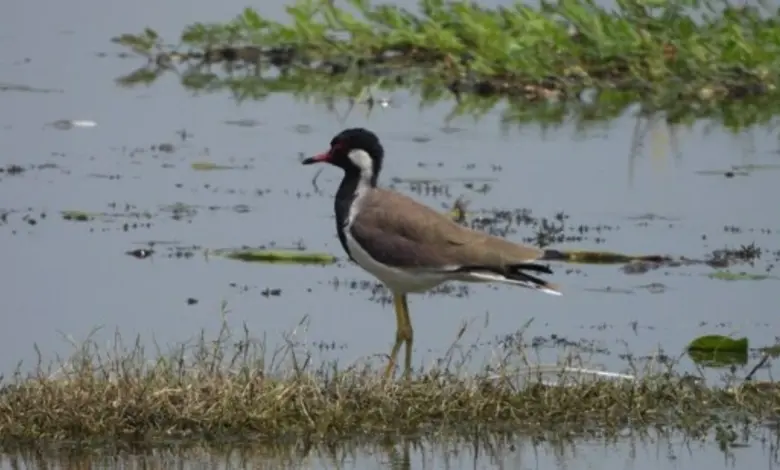
In a significant boost for wetland conservation, the Jai Prakash Narayan Bird Sanctuary, also known as Surha Tal, in Uttar Pradesh’s Ballia district has been officially designated as a Ramsar site. This marks it as the 100th wetland in India to receive this prestigious international status, underscoring the country’s growing emphasis on preserving critical ecosystems.
The announcement came on Friday, aligning perfectly with World Environment Day celebrations. Prime Minister Narendra Modi highlighted the development, describing it as a testament to India’s steadfast dedication to safeguarding natural habitats and wetlands. In a post on X, Modi expressed delight over the recognition, noting the sanctuary’s rich birdlife that draws both migratory and resident species.
“The wetland is rich in avifaunal biodiversity, attracting several migratory and resident birds,” the Prime Minister stated. He emphasized that conservation and restoration efforts for such areas have gained momentum through enhanced community involvement, scientific approaches, technological innovations, and public awareness campaigns. These initiatives, according to Modi, play a vital role in maintaining biodiversity, ensuring ecological stability, and building a sustainable environment for future generations.
ALSO READ : Putin Offers India Full Access To Su-57 Stealth Fighter Technology




India became a signatory to the Ramsar Convention on Wetlands in 1971, an intergovernmental treaty established in Ramsar, Iran. Under the convention, participating nations commit to identifying and nominating wetlands of international importance for inclusion on the Ramsar List. The framework provides guidelines for designating these sites and outlines strategies for their effective management to preserve their ecological character.
The Jai Prakash Narayan Bird Sanctuary is renowned for its diverse avian population, serving as a vital habitat that supports a wide array of bird species. Its new status as a Ramsar site is expected to bring greater attention and resources for long-term protection.
In related developments marking World Environment Day, Union Environment Minister Bhupender Yadav and Delhi Chief Minister Rekha Gupta inaugurated 18 “Namo Oxygen Parks” in the national capital. The move aims to tackle air pollution while enhancing green cover. The duo also launched various environmental programs under the national “Ek Ped Maa Ke Naam” tree plantation drive, promoting urban greening, better air quality, and community participation in conservation within the National Capital Territory.
Additionally, they released a 10-year Working Plan Document for Delhi (2026–27 to 2036–37), which sets out strategies for environmental governance and sustainable development. A separate management plan for the Asola Bhatti Wildlife Sanctuary (2024–25 to 2034–35) was unveiled, providing a roadmap for protecting this key biodiversity area. The Delhi Bird Atlas, compiled through citizen-science efforts by local birdwatchers and volunteers, was also launched to document the region’s avian diversity.
This designation of Surha Tal adds to India’s impressive network of protected wetlands under the Ramsar framework, reinforcing national and global commitments to environmental stewardship.