
As Global Crude Oil Crisis Deepens, The Only Cure May Be A Demand Shock; What Fuel Reduction Measures Did Pakistan Implement?
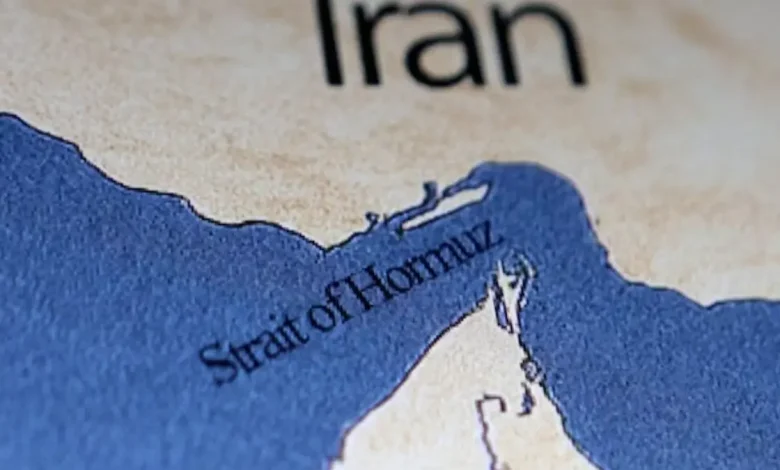
New Delhi : The Strait of Hormuz still remains blocked, and much of the world is waiting for it to reopen. Several estimates now suggest that even if the key shipping route opens today, the global crude oil crisis may not ease anytime soon. As the situation stands, the key passage remains wrapped in confusion, with hopes now pinned on another round of talks between the US and Iran.
Demand is still strong, while supply has already taken a hit. This mismatch, caused by weeks of disruption during the West Asia war, may prove harder to repair than many initially believed. As fresh warnings emerge from energy researchers, brokerages and global agencies, that concern now appears increasingly relevant. A growing number of analysts now say restoring balance to the oil market may require a harsh measure: voluntarily lowering demand.
HFI Research, a boutique energy-focused platform, recently made a forceful case for demand destruction. Its core argument is that the oil supply shock has not ended and may worsen the global energy crisis from here. The firm estimates that around 11 million to 13 million barrels per day of disrupted supply will eventually be felt through lower crude stockpiles, tighter fuel supply or demand being pushed down by higher prices.
Before moving ahead, readers should know that some of HFI’s projections are aggressive and should be treated as scenarios, not certainty. Even so, the firm’s broader warning deserves attention: reopening a route does not instantly repair an oil system that has already been disrupted. Citi analysts, quoted in a Reuters report dated April 20, also estimated that global oil inventories could still fall by around 900 million barrels even if a ceasefire is extended.




The agency has also warned that demand destruction could spread if scarcity and higher prices persist. That is not a minor shift. It suggests high prices and uncertainty may already be changing behaviour. The Australia and New Zealand Banking Group, or ANZ, has said weaker demand may be needed to rebalance the market if inventories remain tight. Economists at ING, the Dutch financial services group, have been even blunter: higher oil prices themselves destroy demand.
In the United States, the national average gasoline price has climbed to around $4.04 per gallon, reviving pressure over rising fuel costs. Across Europe, governments remain wary of another round of transport and utility inflation if crude stays elevated. Demand destruction sounds technical, but the idea is simple. When oil becomes expensive enough for long enough, people and businesses are forced to use less of it.
Though governments can accelerate the process too, whether by encouraging work from home, pushing public transport, reducing fuel subsidies, allowing higher pump prices or promoting alternatives like EVs. During Covid, demand for crude oil collapsed in a way the modern world had never seen before. It was involuntary, triggered by a virus that shut borders, grounded flights and locked down cities.
Read Also : Judge Steps Aside from Rahul Gandhi Dual Citizenship Case Amid Procedural Concern