South African health authorities have confirmed the presence of the rare Andes strain of hantavirus that could potentially have spread human-to-human. The World Health organization confirmed two cases of the virus, with five additional individuals suspected of infection, as the vessel remains docked in the Atlantic near Cape Verde.
For the unversed, the Hondius left Ushuaia, Argentina on April 1 with 149 people on board, cruising remote Atlantic waters miles from any hospital. As per, Health authorities now believe that the earliest illness began around April 6. Just a few days into the voyage around April 6, a Dutch passenger reportedly started feeling off: mild fever, tiredness, nothing dramatic at first. No one suspected hantavirus at first, as the symptoms barely pointed to a rare zoonotic virus.
However, the man was dead from sudden, severe breathing problems. This marked the first death on board, and at the time, the cause of the death was unclear. The ship carried on , but soon his family and other passengers came down with similar symptoms, usually starting out mild and then turning suddenly dangerous. After that, several cases appeared, worrying the ship’s medical staff.
Symptoms of the disease are sneaky. At first, Hantavirus looks like a regular virus : Fever, tired muscles, headaches, maybe an upset stomach. But then, some days later, things can crash. People struggle to breathe, their lungs fill with fluid, and organs start shutting down.
ALSO READ : Pakistan Navy Provides Humanitarian Aid to Stranded Indian Vessel in Arabian Sea
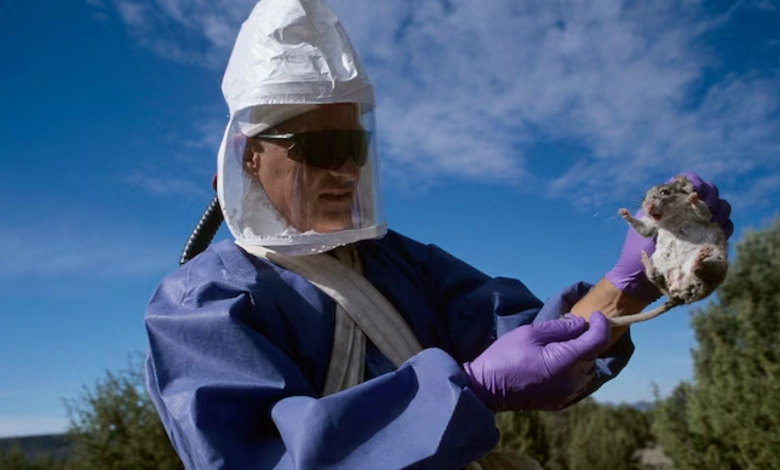
Early findings suggest that most infections likely happened before passengers even boarded the ship, although limited spread in close-contact settings cannot be ruled out. Hantaviruses are mainly spread through contact with infected rodents. People can get infected by breathing in tiny particles from rodent urine, droppings or saliva , often in dusty, enclosed spaces. Though infections are rare, they can become severe. In some cases, the virus can lead to hantavirus pulmonary syndrome, a condition that affects the lungs and can quickly turn-life threatening.
What Precautions can be taken: Avoid areas that may be contaminated by rodents. Wash hands regularly. Seek Medical help if symptoms like fever, fatigue, or breathing difficulty develop.
Ultimately, the researchers say not to panic, but prepare. As global travel and human-animal interactions increase, health experts warn that similar events may occur again.
-

-

-

-