
Scientists Warn Fungus From Mummified Remains Could Pose Health Risks to Humans
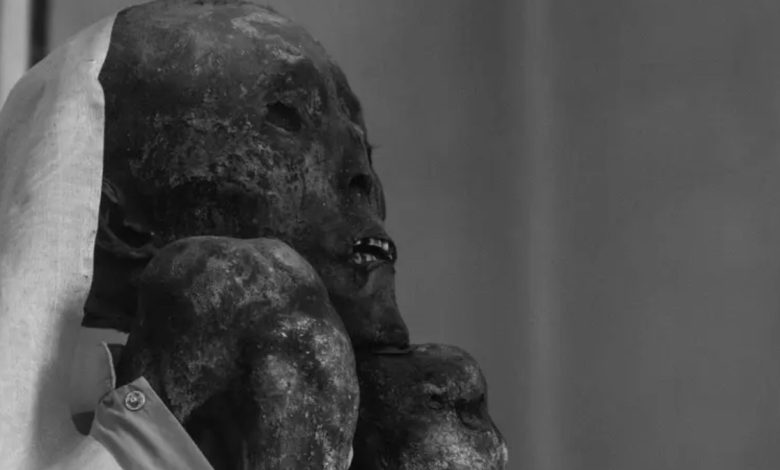
Handling mummified remains carries a risk of fungus spreading to humans, which could endanger their health. According to a study by scientists at the University of Staffordshire, microbial growth on mummified human and animal remains could transfer to those handling them, including buyers. Many people are purchasing such mummified remains, including hands and feet, sold online. The researchers examined 128 online posts and auction listings and found that very few offered any guidelines on the safe handling of remains.
The listings were also found to be non-compliant with postal regulations, putting everyone involved in the delivery process, including delivery workers and customs officials, at risk. Hands, feet, and heads at varying levels of preservation were up for sale in the listings, with some posts showing people handling mummified human remains without gloves.
If remains are not packaged and stored appropriately, biodeterioration and fungal growth can accelerate, with fungal spores spreading into the air. Substances used in the embalming process, such as arsenic, mercury, and lead, could also be highly toxic.
When Fungus From Mummies Allegedly Killed Humans
Notably, Aspergillus spores are believed to have killed 10 out of 12 conservation scientists who opened the tomb of King Casimir IV Jagiellon in Kraków in the 1970s. Similarly, Aspergillosis is thought to have been the cause of Lord Carnarvon’s death, after he apparently inhaled spores inside Tutankhamun’s tomb.




“The rise of the internet, especially social media, has amplified international trafficking and driven demand for unique cultural heritage, including mummified humans and animals,” lead author Dr Kirsty Squires, Professor of Human Bioarchaeology at the University of Staffordshire, said.
Scientists noted that even when fungal growth is not visible and extensive deterioration might not appear on the surface, this does not mean microbes are absent. They warned that microbial colonisation may not always be visible to the naked eye. “These preserved remains pose health and biosecurity risks, due to the toxicity of embalming methods and/or suboptimal storage that can promote microbial growth,” Squires said.
The research revealed that mummified remains sold online show signs of biodeterioration, but “sellers provide no safety guidance, suggesting limited awareness or deliberate disregard of hazards.”
Squires said the remains are being shipped across the world without consideration for health and safety implications, adding that clearer, more prominent guidelines are needed to ensure buyers and sellers cannot misinterpret or exploit loopholes in shipping policies.